UK


April 11, 2026
UK
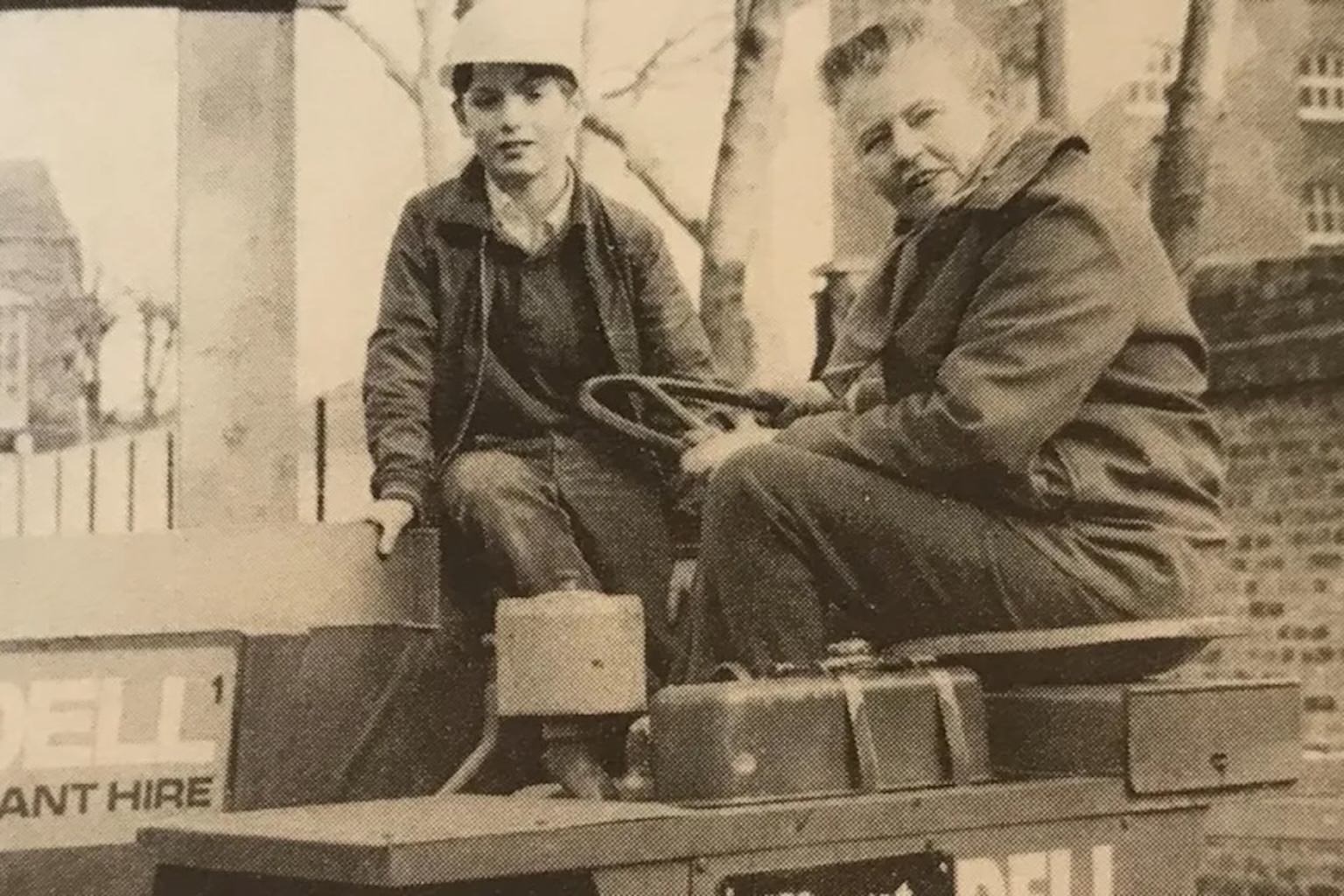
Today, April 11th 2026, we mark the 50th anniversary of the passing of Marjory Allen of Hurtwood - a remarkable landscape architect and campaigner whose ideas helped transform the way children play in the UK.
At a time when most playgrounds were little more than neat rows of swings, roundabouts and metal climbing frames, Marjory Allen was championing something very different.
She believed children needed places where they could explore, build, take risks and shape their own environment.
Today we call this adventure play, but in the late 1940s and 1950s it was a radical new idea. As we have learnt since, it was one that would change the way we played forever.

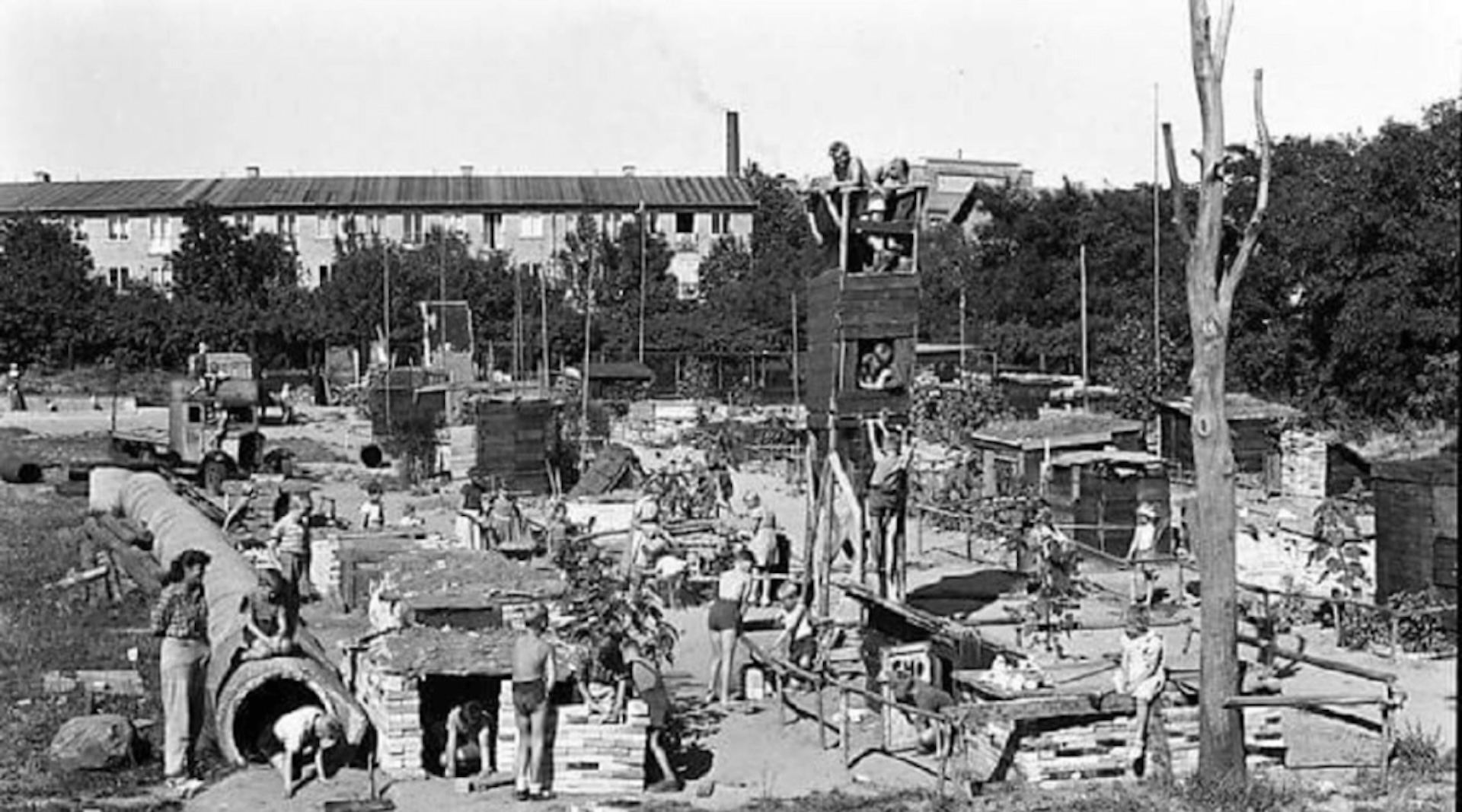
Allen’s inspiration came from Denmark. In the 1940s she visited the Emdrup Adventure Playground in Copenhagen, often described as the world’s first adventure playground.
What she saw there was extraordinary.
Children weren’t simply using equipment that adults had designed for them. Instead, they were building the playground themselves.
With scrap timber, rope, tyres, tools and a huge amount of imagination, they created huts, towers, bridges, dens and teetering climbing structures. The playground was supervised, but not controlled. Adults acted more like trusted, experienced, older friends, who were there to advise when needed but mainly leaving children free to lead their own play.
Allen immediately recognised how powerful this kind of play could be.
In post-war Britain, bomb sites and small sites between damaged buildings had already become unofficial playgrounds for many children.
Allen saw that instead of removing these opportunities in the name of safety, we should be designing spaces that supported this kind of adventurous, creative play.
Through her campaigning, writing and professional work she helped introduce the idea of adventure playgrounds to Britain. Her book Planning for Play (1968) became one of the most influential texts ever written about play in the UK.
Her message was simple:
Children need space, freedom and the chance to shape their own play.
She believed play should be:
- Creative rather than prescriptive
- Challenging rather than overly controlled
- Led by children rather than directed by adults
Those ideas helped inspire dozens of adventure playgrounds across the country.
Chris Brasher, the British athlete, and co-founder of the London Marathon. Summed up the thinking perfectly when he said "The joy of living comes from action, from making the attempt, from the effort, not from success." Showing that winning came from participation rather than finishing first.
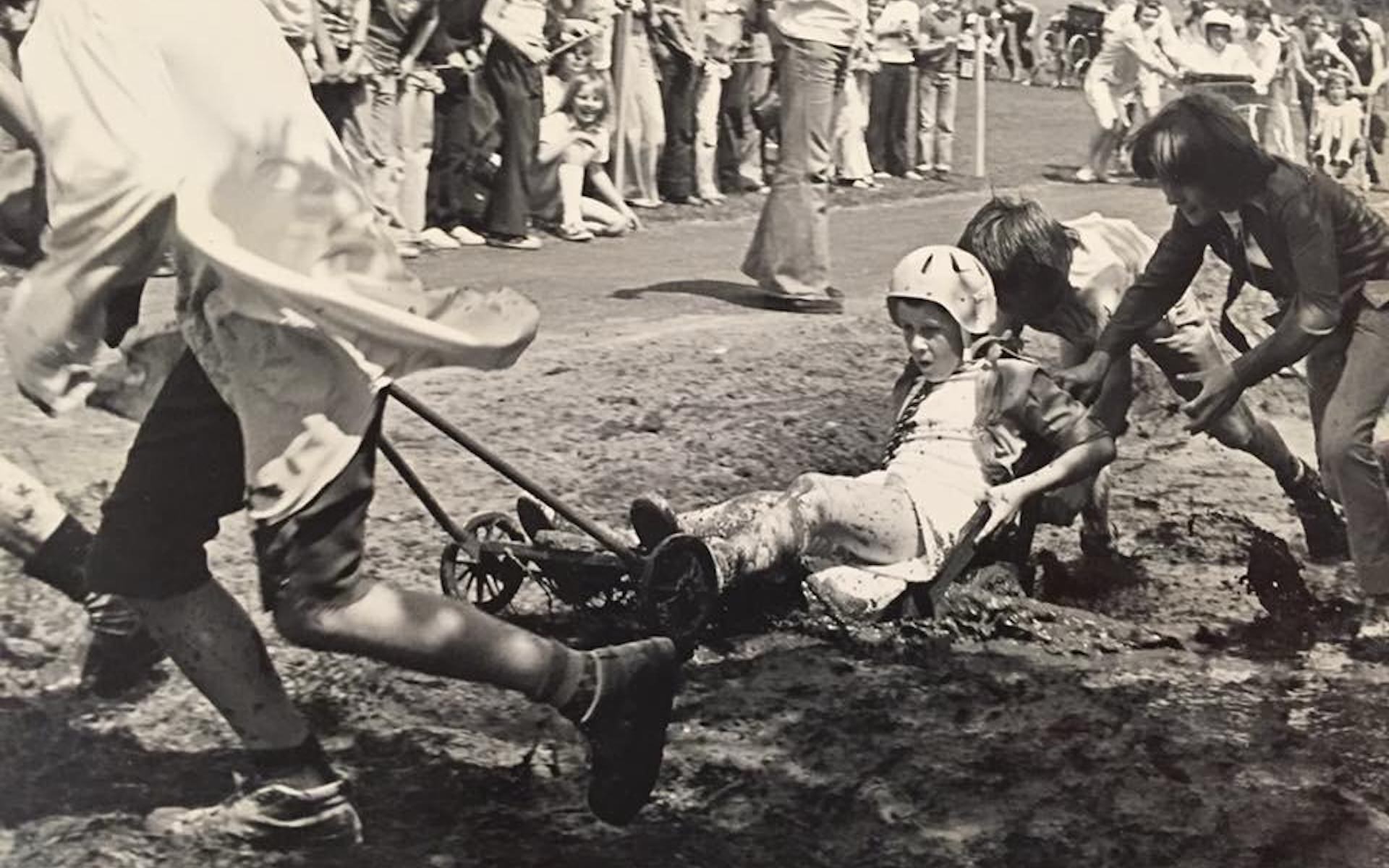
Marjory Allen’s ideas challenged the way playgrounds were traditionally designed. Most playgrounds at the time were fixed, orderly and built primarily around control and safety. Adventure playgrounds turned that thinking on its head. Instead of fixed equipment, they embraced:
- Loose parts - Materials children could move, build with and transform.
- Managed risk - Opportunities to climb higher, build bigger and test their abilities.
- Ownership - Spaces shaped and evolved by the children using them.
- Collaboration - Encouraging children to work together and achieve more.
These principles are still at the heart of how many of us think about play today.
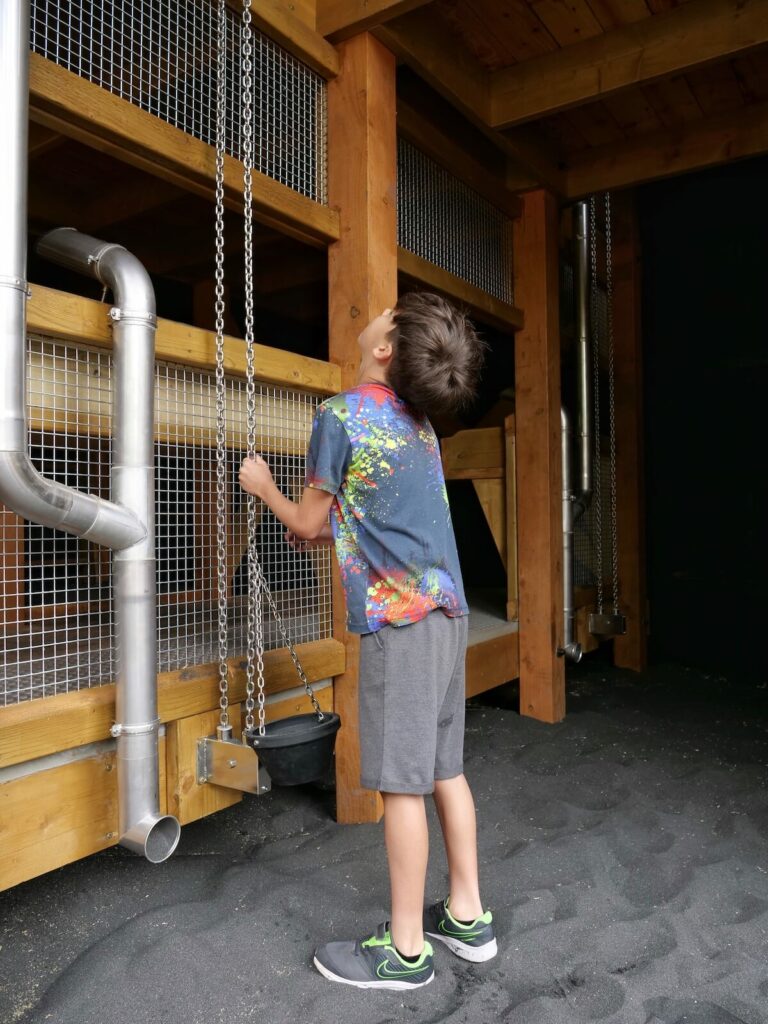
Fifty years after Allen’s passing, many of the challenges she spoke about are still with us - and in some ways they’ve grown.
Children today often have:
- Less access to independent outdoor play
- Highly risk-averse playgrounds
- A more structured, time managed life
- Fewer opportunities to experiment and create
Adventure play offers a powerful response to all of this.
The kinds of environments Allen championed help children develop:
- Confidence
- Resilience
- Problem-solving skills
- Collaboration
- Practical creativity
In a world increasingly shaped by screens and schedules, these qualities are for us, more important than ever.
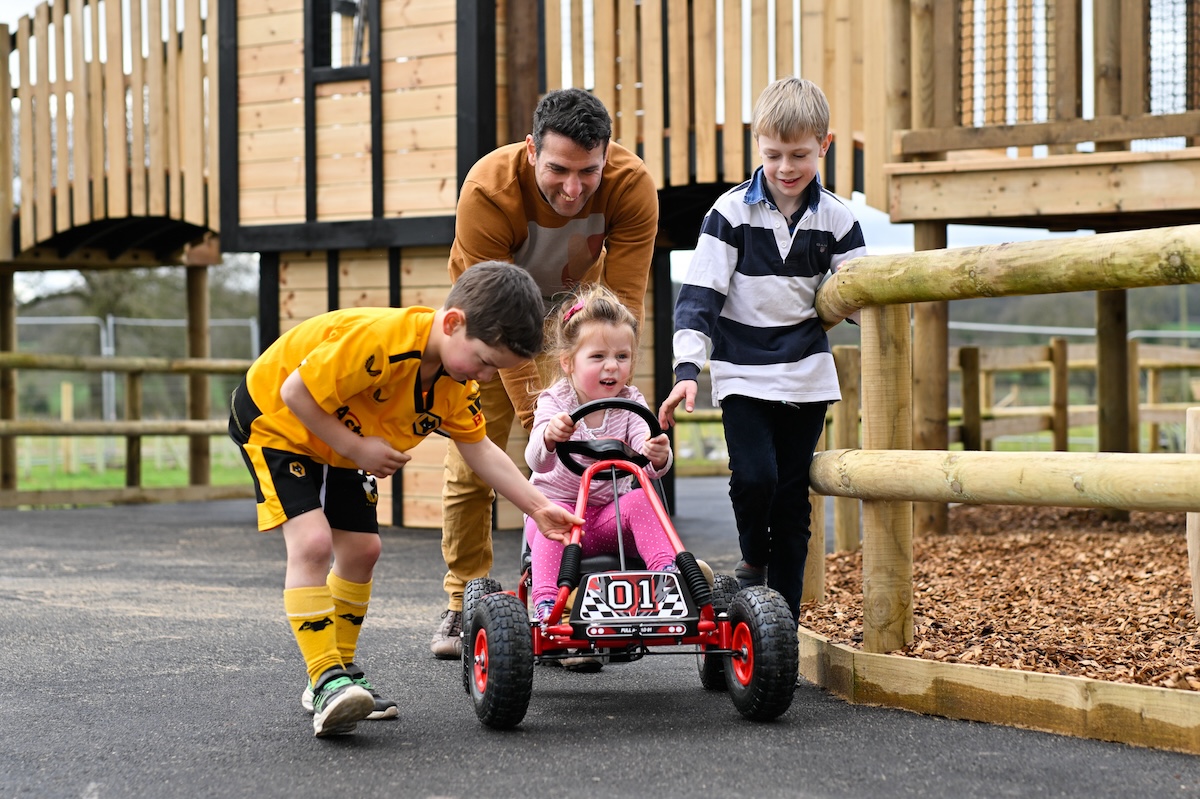
The thinking Marjory Allen helped introduce continues to influence play today, from:
- Adventure playgrounds across the UK and Europe
- Forest schools and outdoor learning
- Contemporary adventure play design
- The growing recognition that managed risk is an important and positive part of play
Many of the most exciting play spaces being built today owe something to the ideas she championed.
Her work reminds us that great play environments aren’t just about equipment.
They’re about freedom, imagination and giving children the chance to shape the world around them.

As we mark the 50th anniversary of her passing, it’s worth recognising that Marjory Allen did more than influence playground design.
She helped change how we think about childhood itself.
Her vision was simple: play should be messy, creative, adventurous and not limited by the imaginations of adults.
Half a century later, that vision feels just as relevant - and even more important.
At CAP.CO we’re proud to continue flying her flag. We're building adventure play inspired by the passion, thinking and many of the lessons she taught us along the way.