Worldwide


January 31, 2026
Worldwide
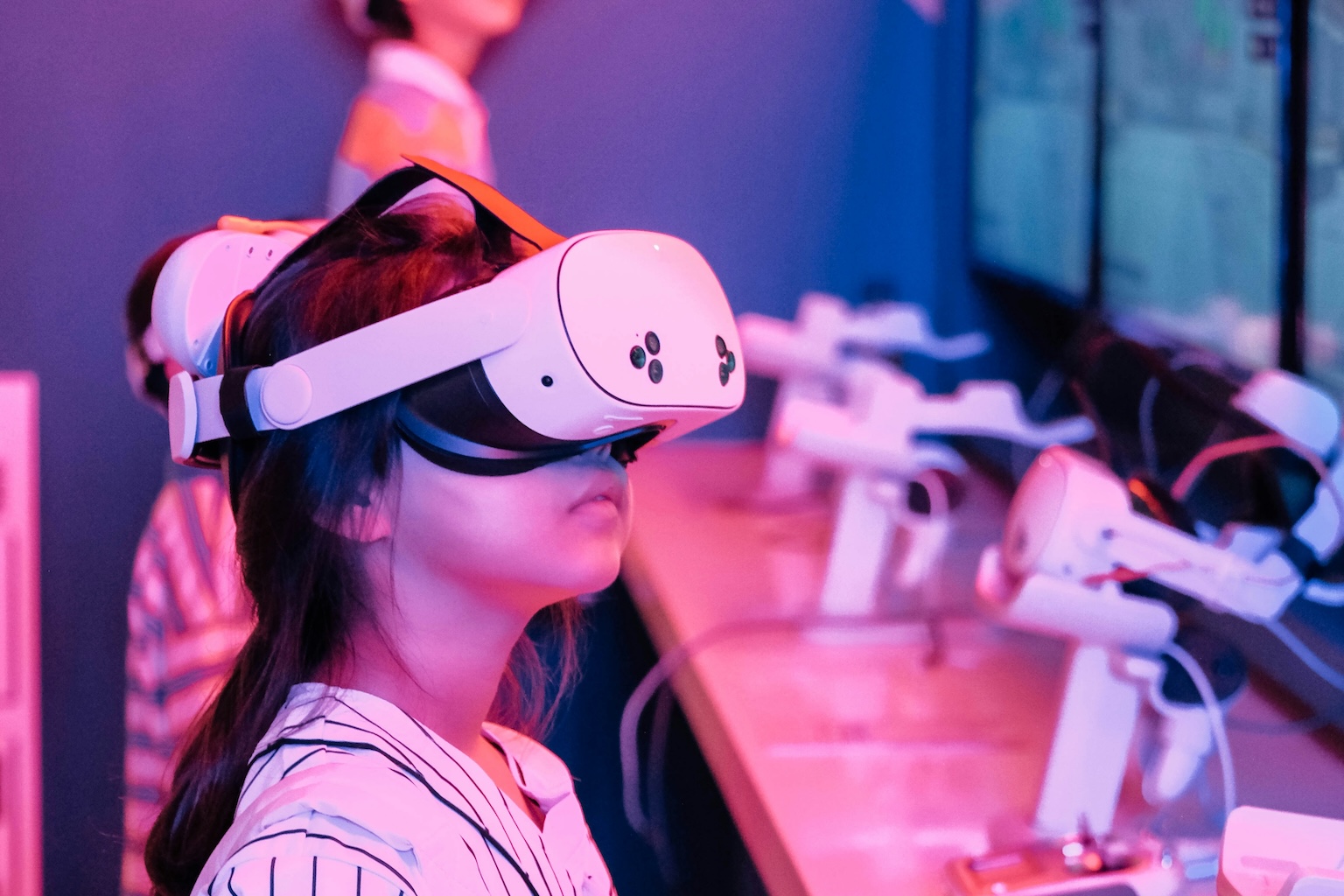
The younger generation are becoming more isolated than any previous generation before them, and many or maybe most of their interactions with technology are making it worse.
AR, VR, RFID and QR codes ALL make things worse. In fact the more retailers, attractions and entertainment venues use personalisation, the more isolating the interaction becomes.
Contrast that with a good old press button that makes noise and flashes lights. It turns heads of the people around you and gets others talking far more than a head down looking at a phone display ever will.
According to Brad Shelton of BRC there are a few simple rules to follow to drive engagement and reduce the opportunity for creating loneliness.
Embrace personalisation, but create ways to bring people together in communities that fire the heart.
The three rules of engagement:
- Make it communal
- Make space for moments of awe
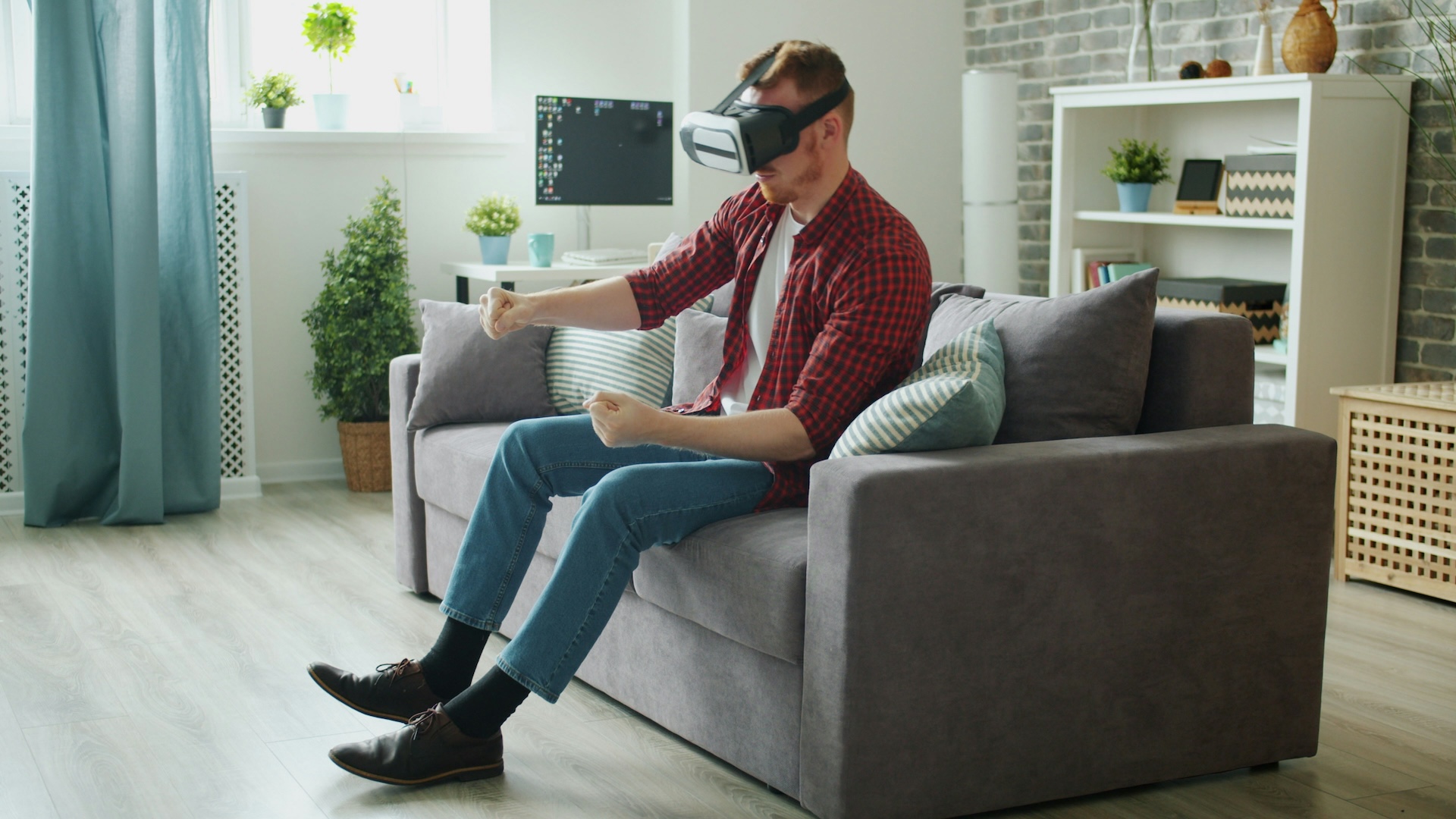
- Get people out of their phones and use the technology for magic (ie behind the scenes), which means no VR/AR as this only increases isolation.
This is why the personalisation at the Johnnie Walker Experience works so well. It's communal, fun and very simple in how it's delivered.
Just because a technology exists, it doesn't mean you HAVE to use it.
And perhaps the biggest thing to be aware of for the future health of your theme park, museum, attraction or exhibit.
“If they can access the same experience at home (ie with a VR headset) why do they need you at all?”
Why would they pay for isolation at your place when they can experience it at home, without needing to leave the house?
AI is making things worse again and adding to the problem.
Hollywood is worried about Ai scripts taking over.
In-house teams, agencies and every interviewee who has walked through an HR department’s door in the last year or more is using Chat GPT to write copy.
Logos are being created with AI, promotional films and portraits are all under the AI influence and even the old long list of names we used to scratch out on an A2 sheet, when we were trying to create a new brand, is being delivered by AI.
Where is the space and, more importantly, the value of imagination in the process, if AI is doing the imagining for us?
But anyone in the creative industries knows it’s not doing ANY imagining.
AI is taking the median of what has gone before and finding the least worst answer.
The answer is completely predictable by an AI algorithm.
Inspiration comes from downtime in your brain.
Often, when you least expect it.
When you’re out playing, walking, climbing or doing something that you can do while half concentrating. It allows the other half of your brain to test and trial ideas in your head, without you even realising you’re doing it.
If you have ever been on an active holiday, skiing, cycling, or walking somewhere truly wild, while you may be tired at the end of your break, you will be far more relaxed than if you’d been horizontal on a beach with a large sangria, your book and a sunshade for company.
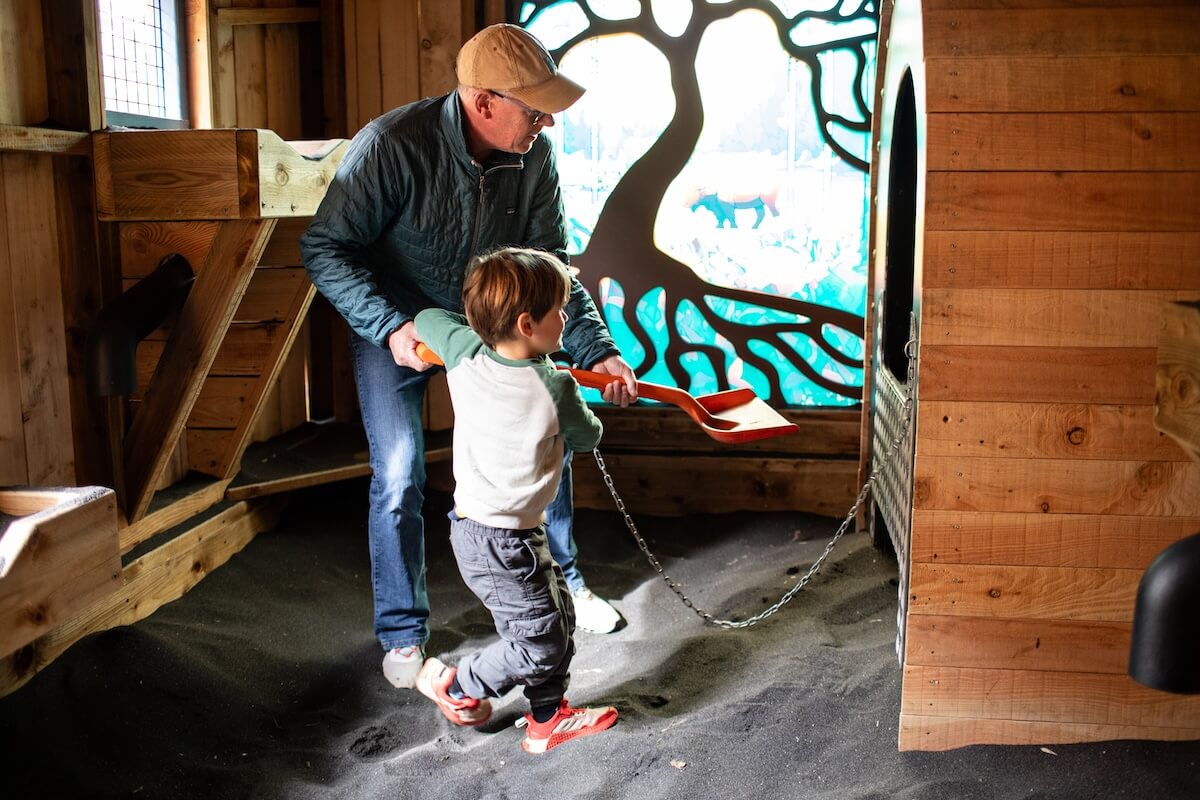
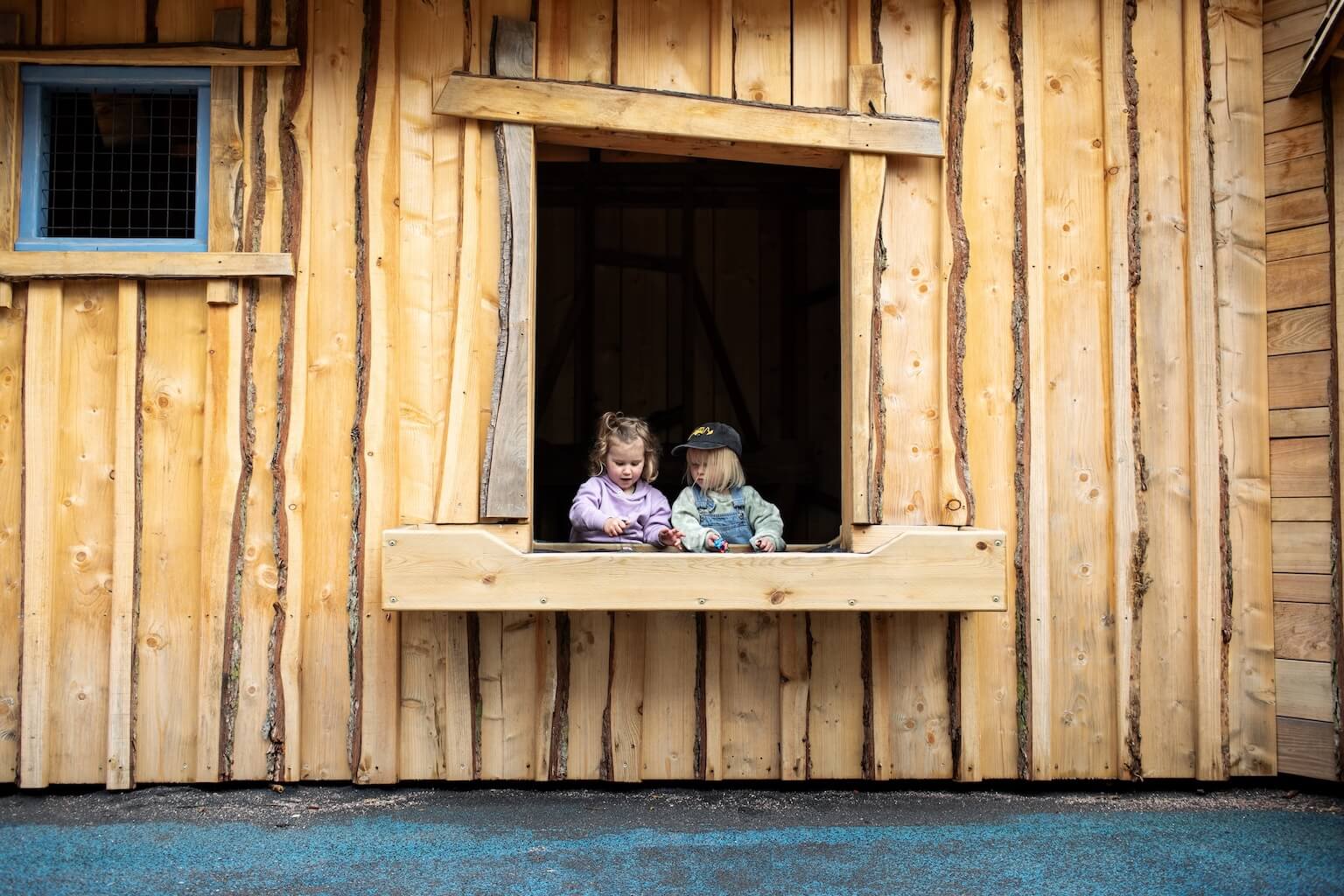
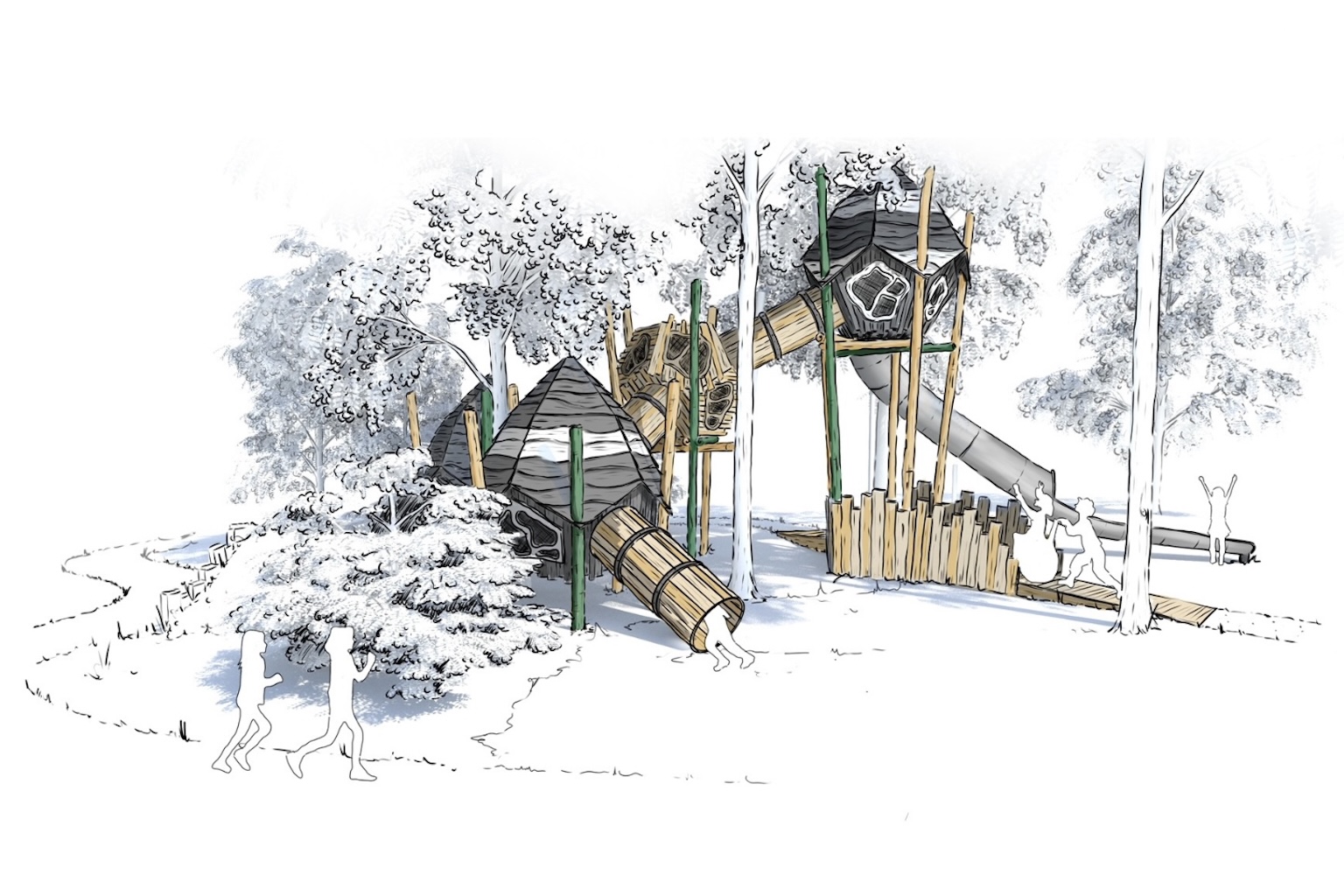
This is why immersive play that enables semi-conscious thinking is so valuable. Not just for kids, but for adults too.
It allows you to harness the power of the subconscious mind and that is where all the truly great ideas are lurking.
And why we love play that encourages adults to play together with their kids, not just sit there doomscrolling while the kids pass the time together without you.