UK


May 12, 2026
UK
The difference isn’t subtle, it’s fundamental.
It’s the difference between places children become part of and products children just use.
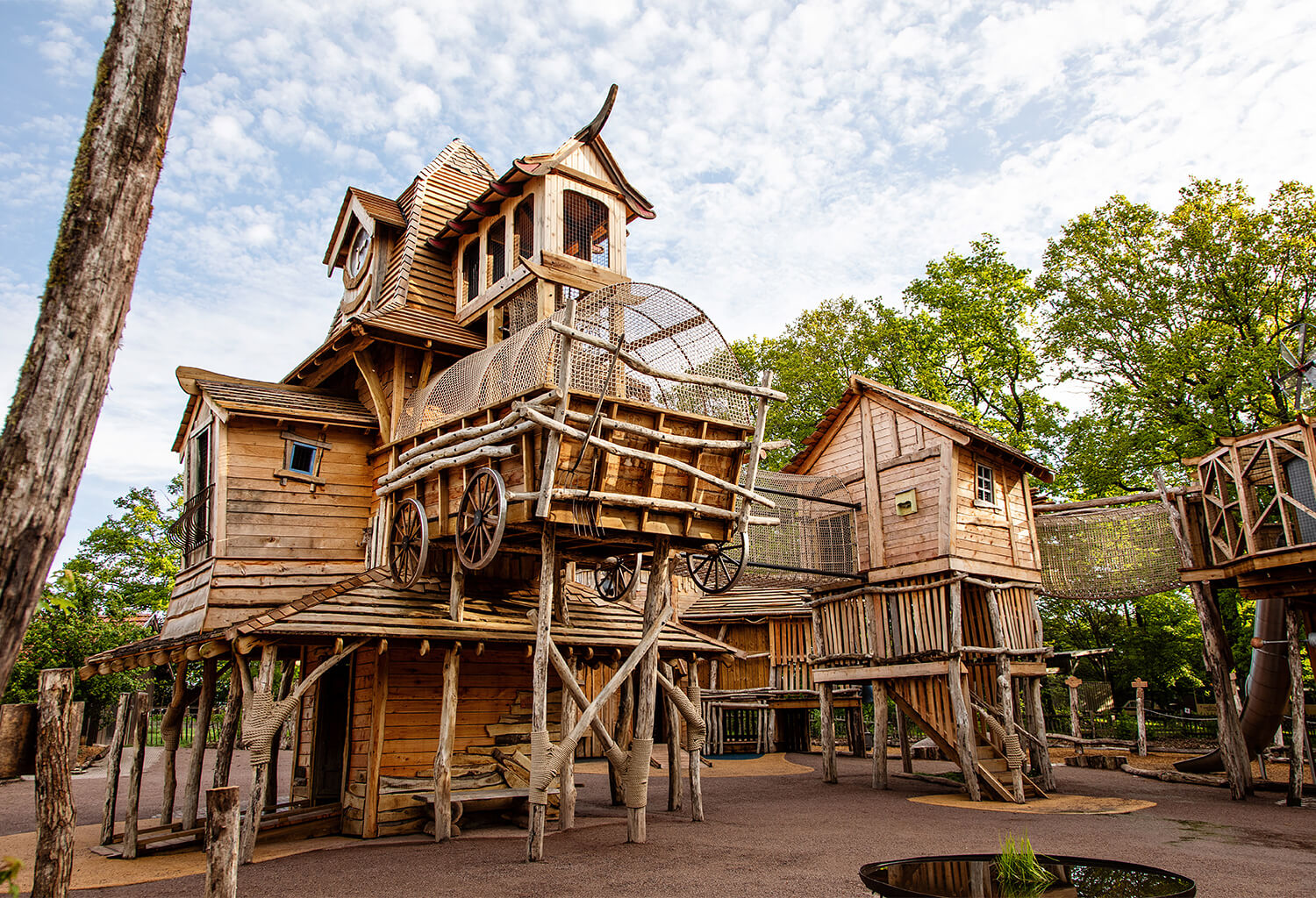
Great adventure play starts with a story, a landscape, and a feeling. It asks 'What kind of world are we inviting children into?' And if we have things right, the play naturally emerges from that.
Poor play starts with a product list. It asks 'what can we fit in the space within budget?'
One is created to be of its place, the other is assembled.
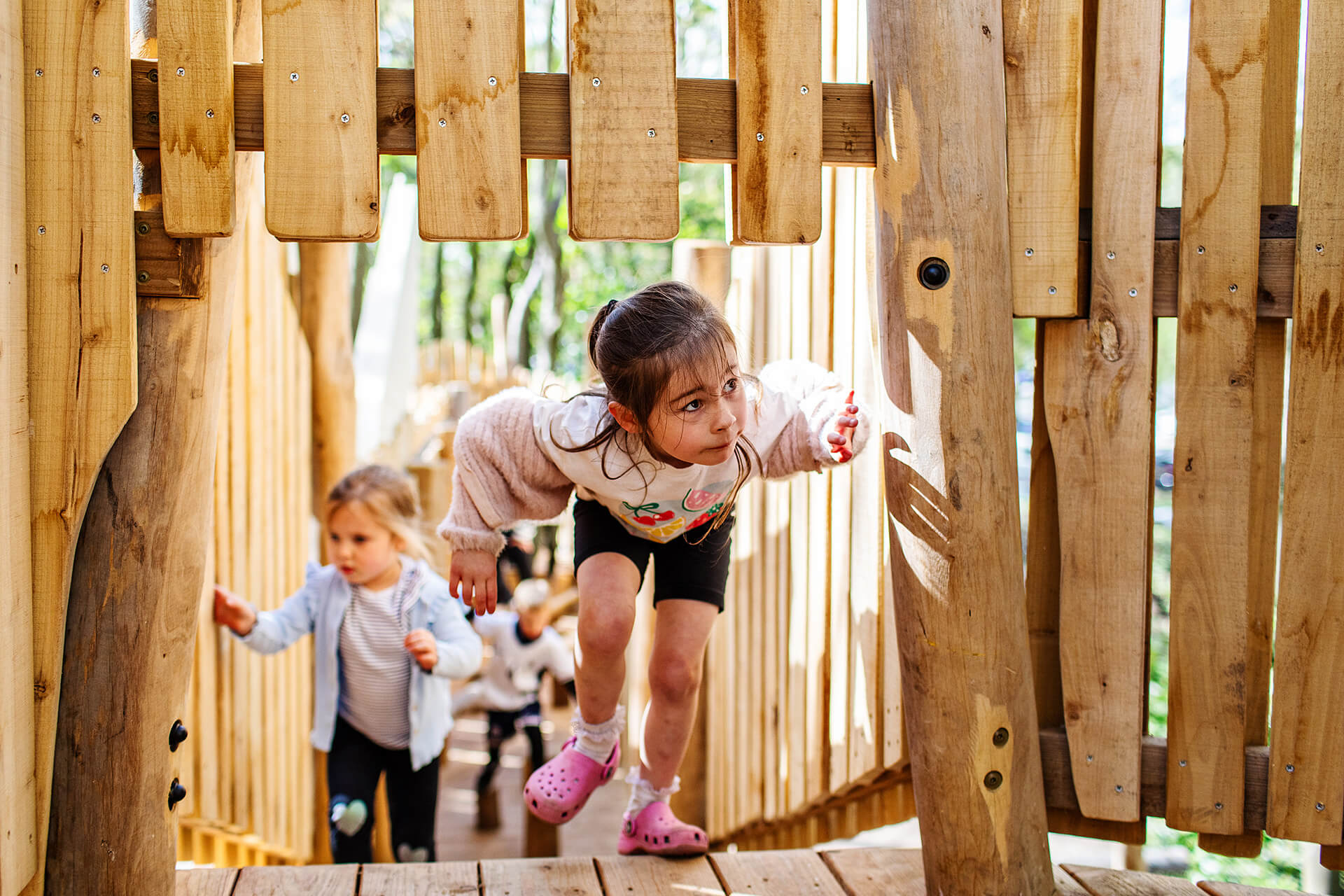
Great adventure play is open-ended with no prescribed “right way” to play. It encourages risk, experimentation, and imagination. A child can return 50 times and have 50 different experiences.
Bad play on the other hand is predictable, highly prescribed (climb here then slide there) and offers limited variability. It quickly becomes repetitive, often within just a few minutes
One says: “What do you want to do?”
The other says: “Here’s what you do.”
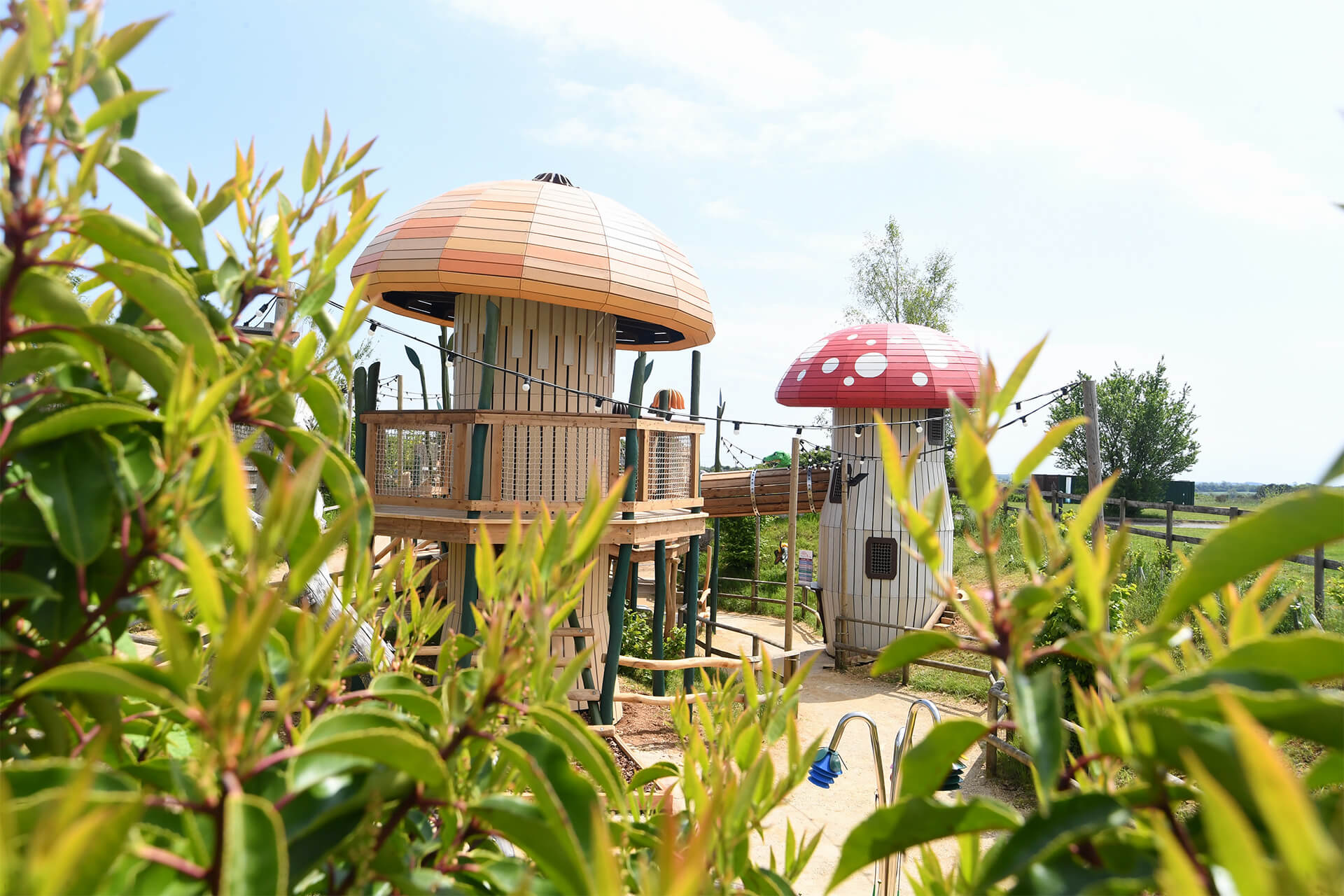
Great adventure play is made up of a combination of timber, earth, water, planting and the natural or created topography and it feels like it belongs to its place. That's because it's been crafted for that particular space. It's irregular, textured and sensory-rich.
Low end play can often be made up of powder-coated steel, plastic slides and standard swings, which can be repeated globally with little identity of the manufacturer at the fore rather than the place it is placed. For kids and adults, it's often flat, predictable and uniform.
One is place-specific.
The other is placed.
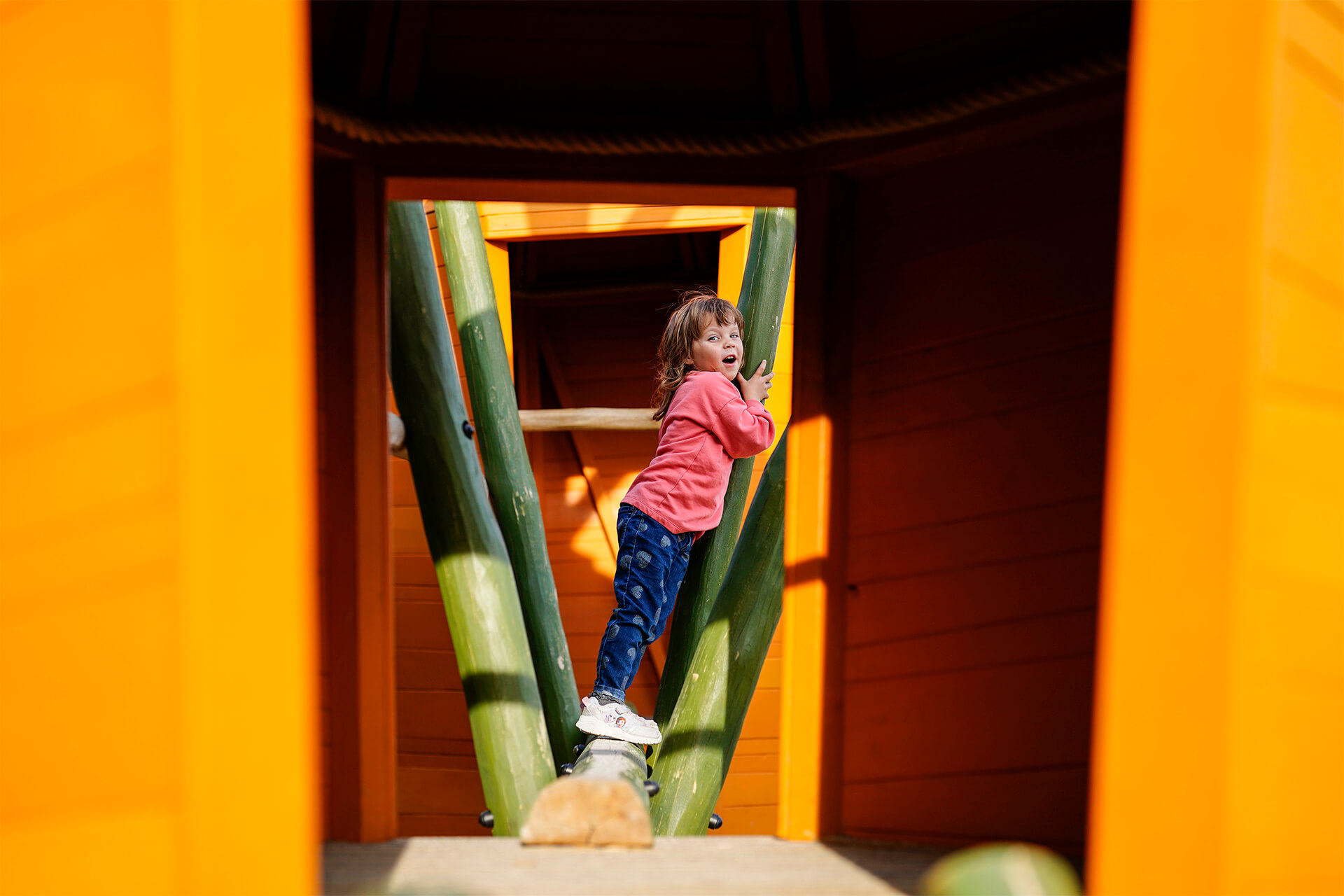
Great adventure play is designed to introduce the concept of risk (height, movement, speed, water, tools, interaction). It allows children to build confidence, resilience and judgement. We sum this up by saying that "it's as safe as necessary and not necessarily as safe as possible”
Play that can be chosen from a catalogue has, over many years, had any of the risk engineered out. There's an over-reliance on compliance and impact surfacing and this often results in boredom in real life usage. This in turn, can lead to misuse and the creation of actual hazard.
So, ironically, by removing any risk, it often removes engagement - and that’s when problems start.
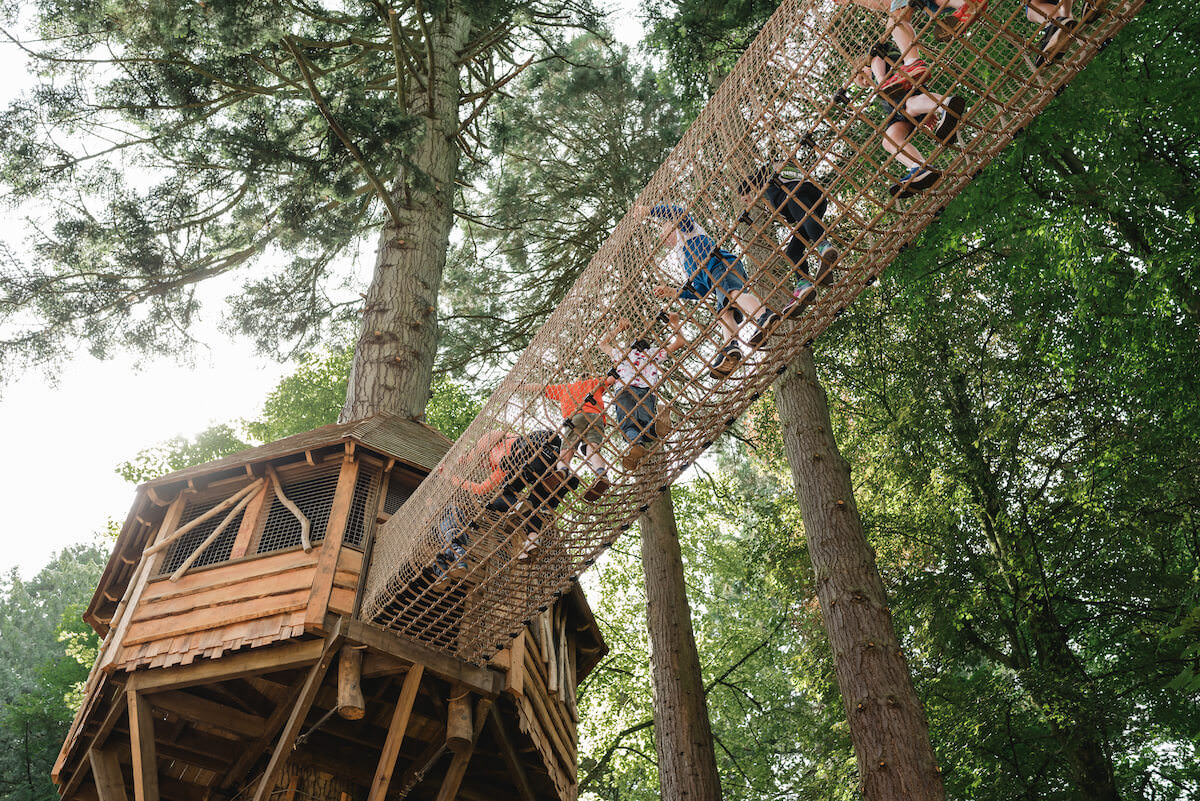
Great adventure play ages well and can evolve, be repaired and adapted. It even gains character over time. We have the advantage that any of our structures can always be updated, as they are made from natural materials and they won't go out of stock or fashion in the inventory we hold.
Bad play on the other hand peaks on day one and then slowly degrades visually and experientially. Ultimately, it requires replacement rather than evolution.
One is an asset.
The other is part of the product lifecycle.
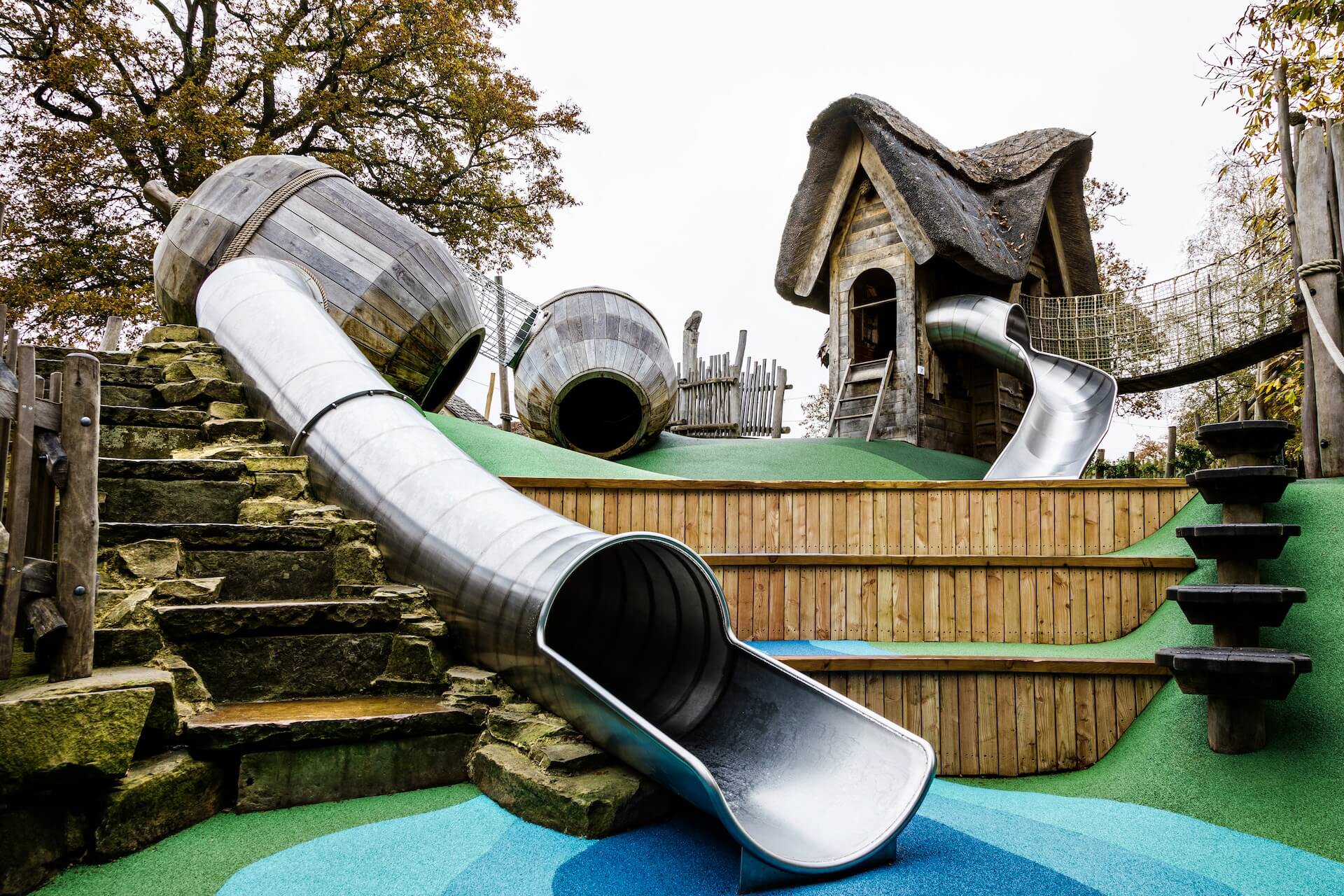
Back in our BeWILDerwood days, our Brand Manager had a job title that was The Keeper of the Wonk. His role was to ensure we never used straight lines in any of our communications, illustrations, or even our builds. This was a critical factor for us, in keeping things unstructured and on the surface, disorganised.
As we have covered many times before, play and much of a child's life itself these days is often very structured in terms of times, spaces and places. So, for us, this is a key difference between good and bad play.
Great play welcomes the wonk.
Straight lines are the enemy of play.
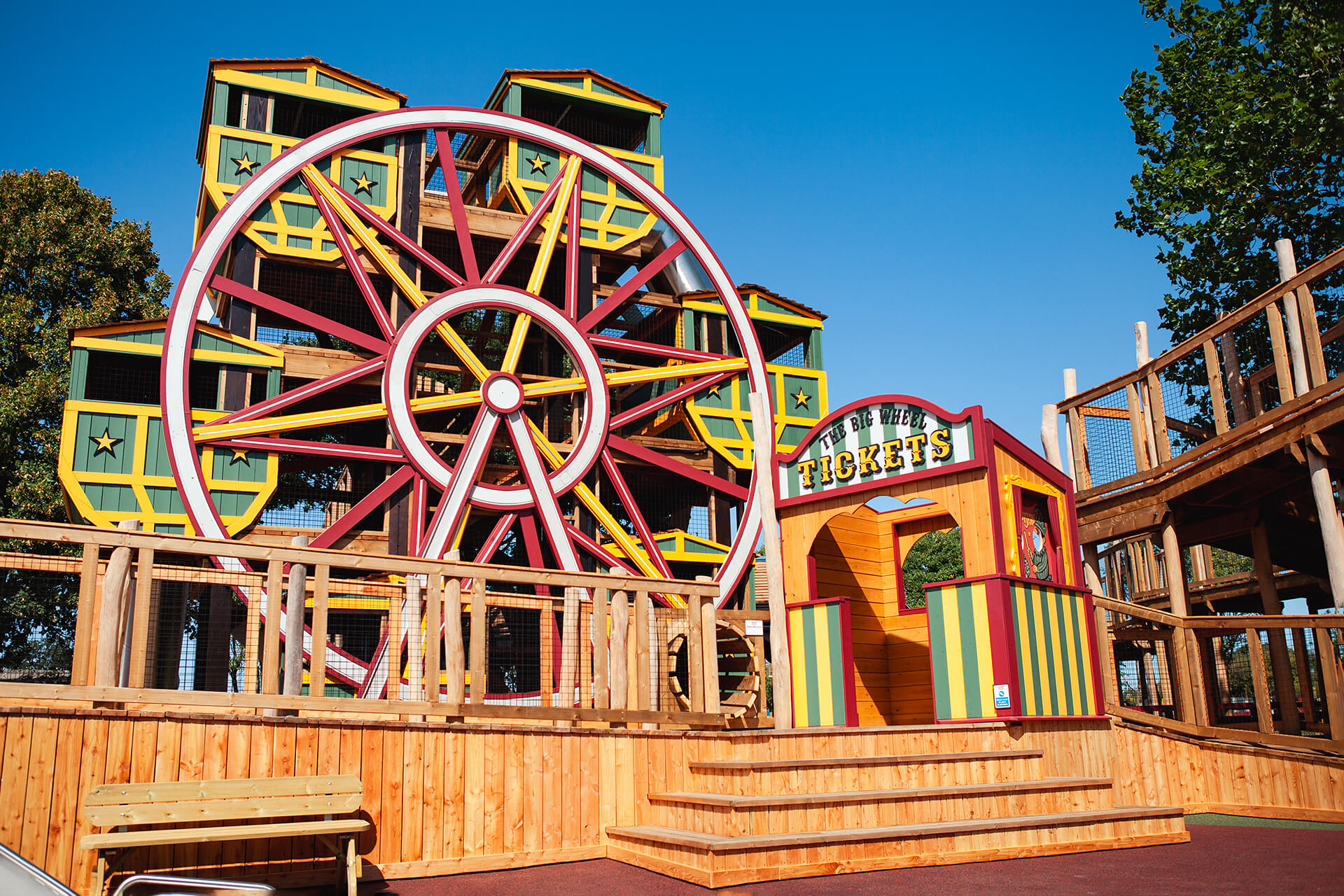
Great adventure play drives dwell time and repeat visits. It encourages season pass sales and becomes a key reason to choose one venue over another - or even the option to do nothing at all. Because of this, it supports wider placemaking and brand identity.
It gives the marketing teams the money shots they need to demonstrate differentiation. They sell the dream and allow families to imagine themselves there and sharing their joy through their social media communities.
Bad play ticks the box to say we have a playground for the kids. But when it comes to the money shot and the images online, a me too product can never create differentiation or drive footfall.
One creates value.
The other ticks a box.
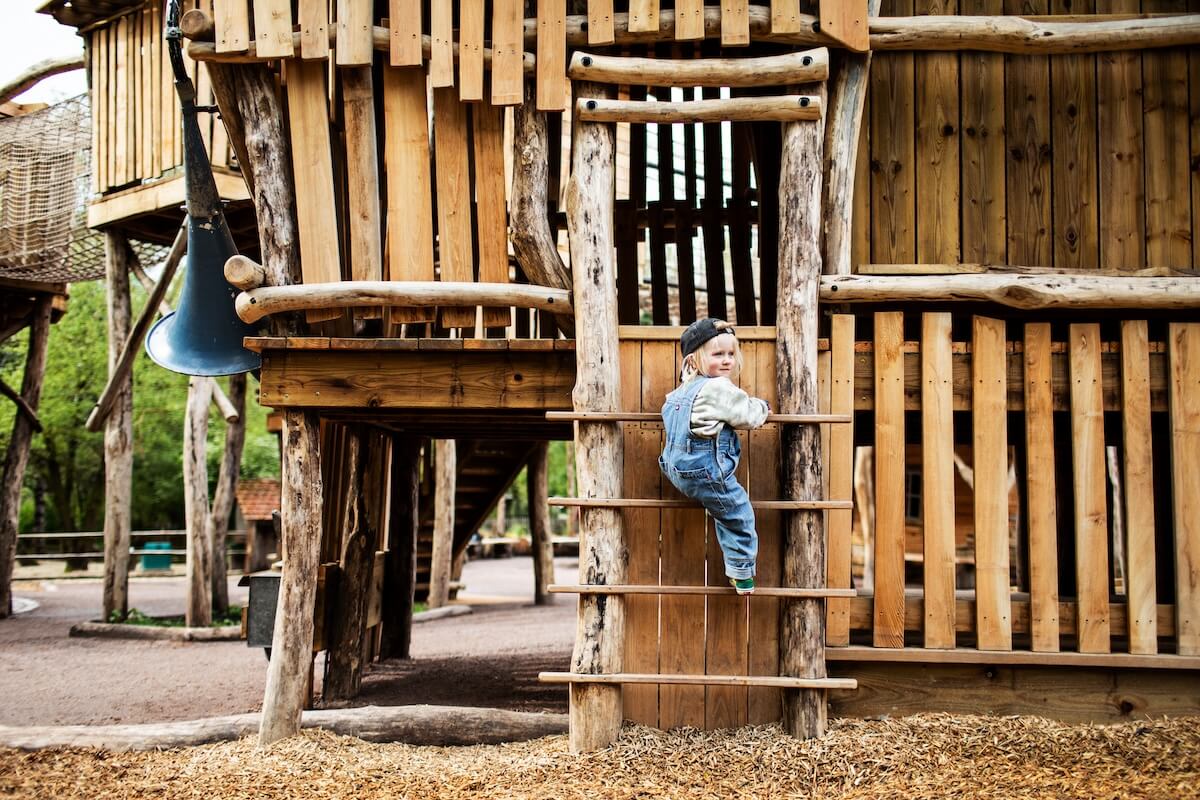
Great adventure play feels magical, slightly wild, a bit unpredictable and we see children talking about it afterwards, often for days. Parents notice the difference as it makes their lives easier and can even rebuild fractures in their relationships that our overly structured lives create.
The worst of the play feels all too familiar everywhere. It's quickly forgotten and often underused. Few want to repeat the process. It can, in theory, do more harm than good.
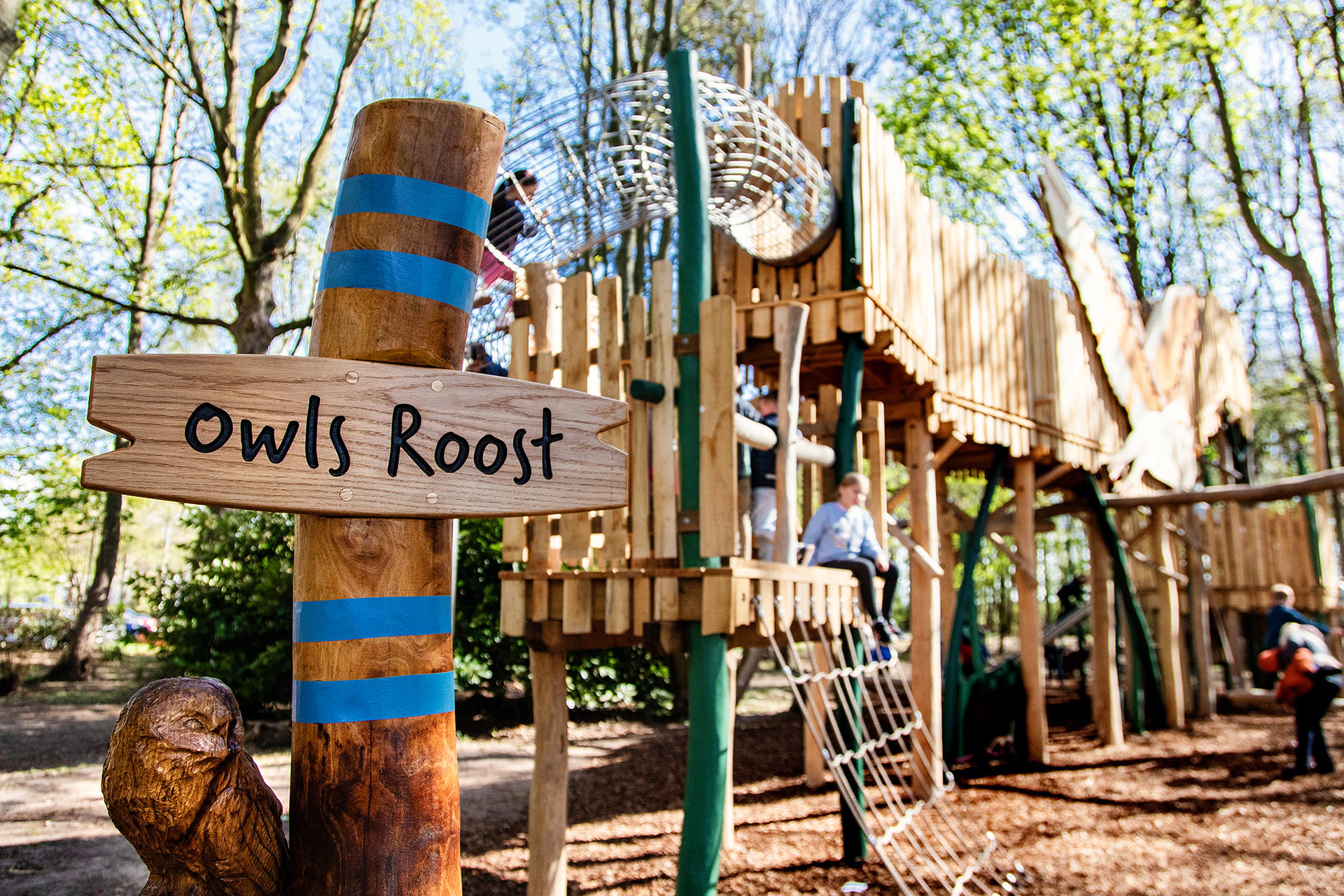
Great adventure play is landscape architecture + storytelling with a pinch of child psychology.
Poor adventure play is predictable procurement.
At CAP.CO, we design to maximise the possibility - the art of the possible and create the magic of the impossible.
Poor play enables compliance.
The two are worlds apart.