Our imagination


March 30, 2026
Our imagination
There’s something quietly powerful about the stories we enjoyed as children. The best of them stay with us as long-term guides for the rest of our lives. And for us, it's interesting why. It's never just the characters or the plots, but rather how they make us feel.
Curious. Brave. Free. With a distinct hint of the wild.
At CAP.CO, we often find ourselves coming back to those same stories when we think about the design for play. In fact, we've used some of the lessons for many years. Because the truth is, the best adventure play spaces don’t start with where you place equipment or how you make the play compliant with local play safety standards - they start with imagination.
And children’s stories have been shaping that imagination for generations.
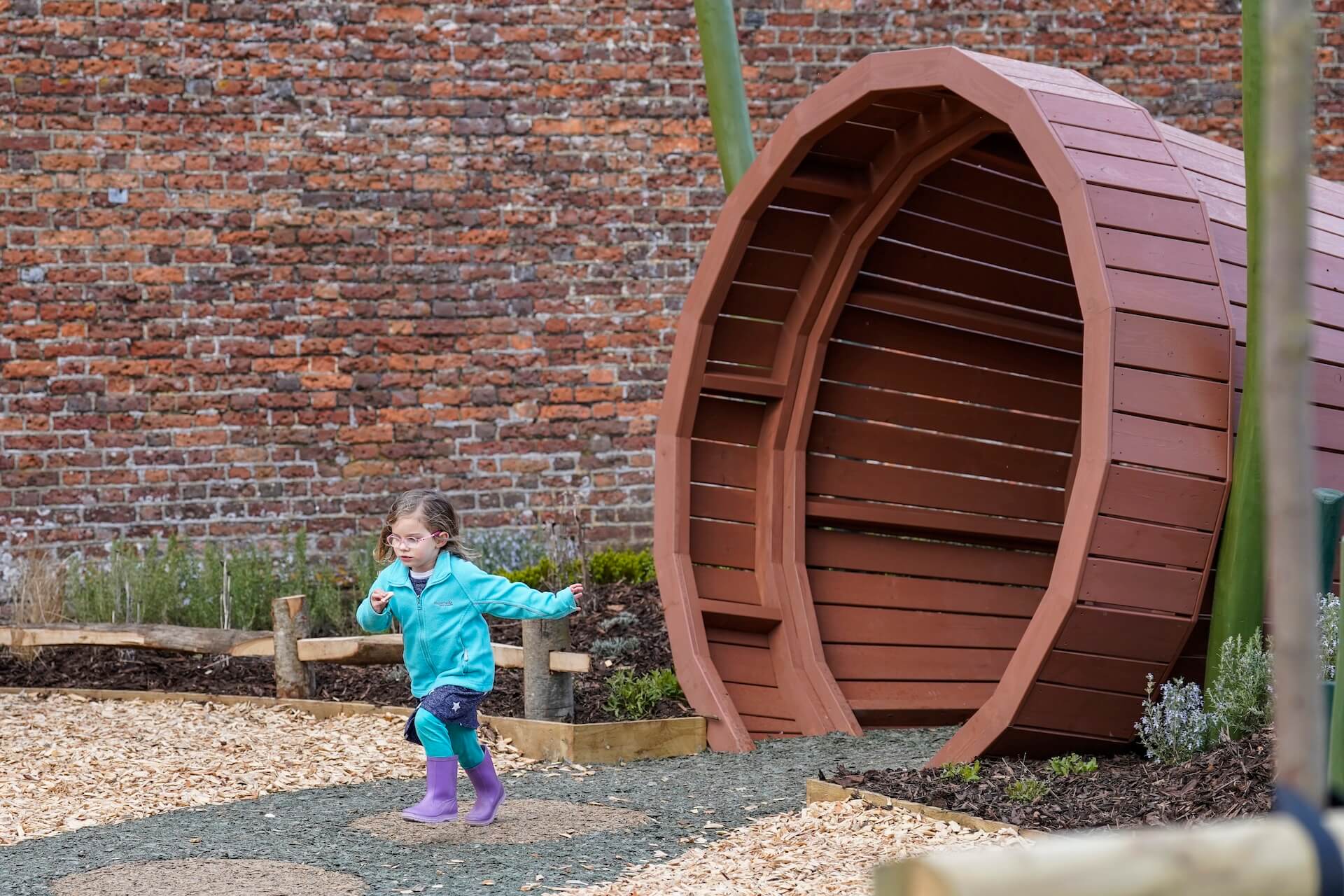
In The Secret Garden, a locked door leads to transformation. In The Chronicles of Narnia, climbing through the back of a wardrobe leads you into a whole other world.
Even The Little Prince begins with a shift in perspective - seeing what others cannot.
What these stories remind us is simple: the magic often begins at the threshold.
In play design, that might be:
- A narrow entrance that opens into something unexpected
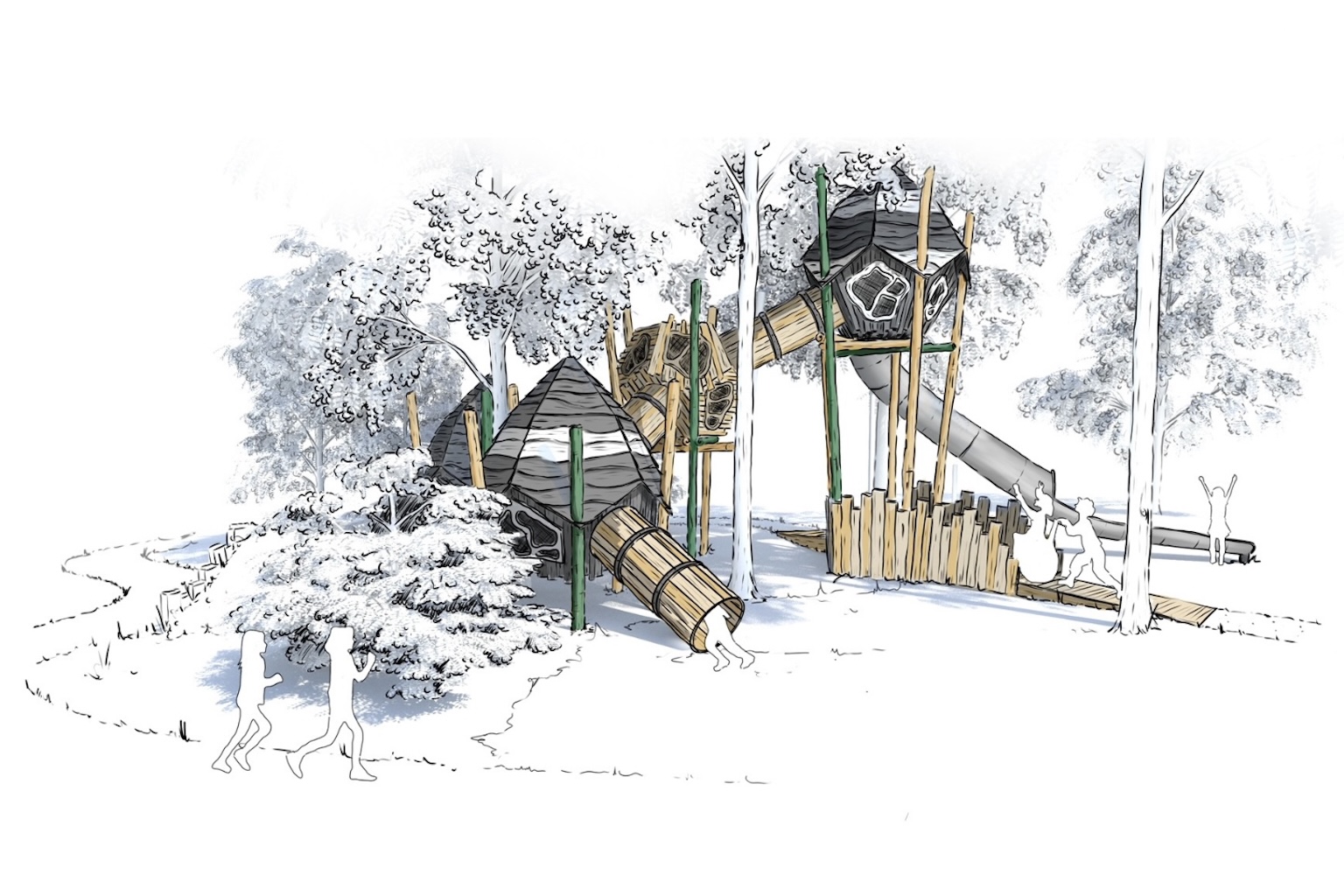
- A tunnel, a gap, a secret entrance that reveals a hidden space
- A moment of transition from the everyday to the imaginative
A cursory look would mistake these for features when in fact, we know they’re invitations or markers to where your adventure begins.
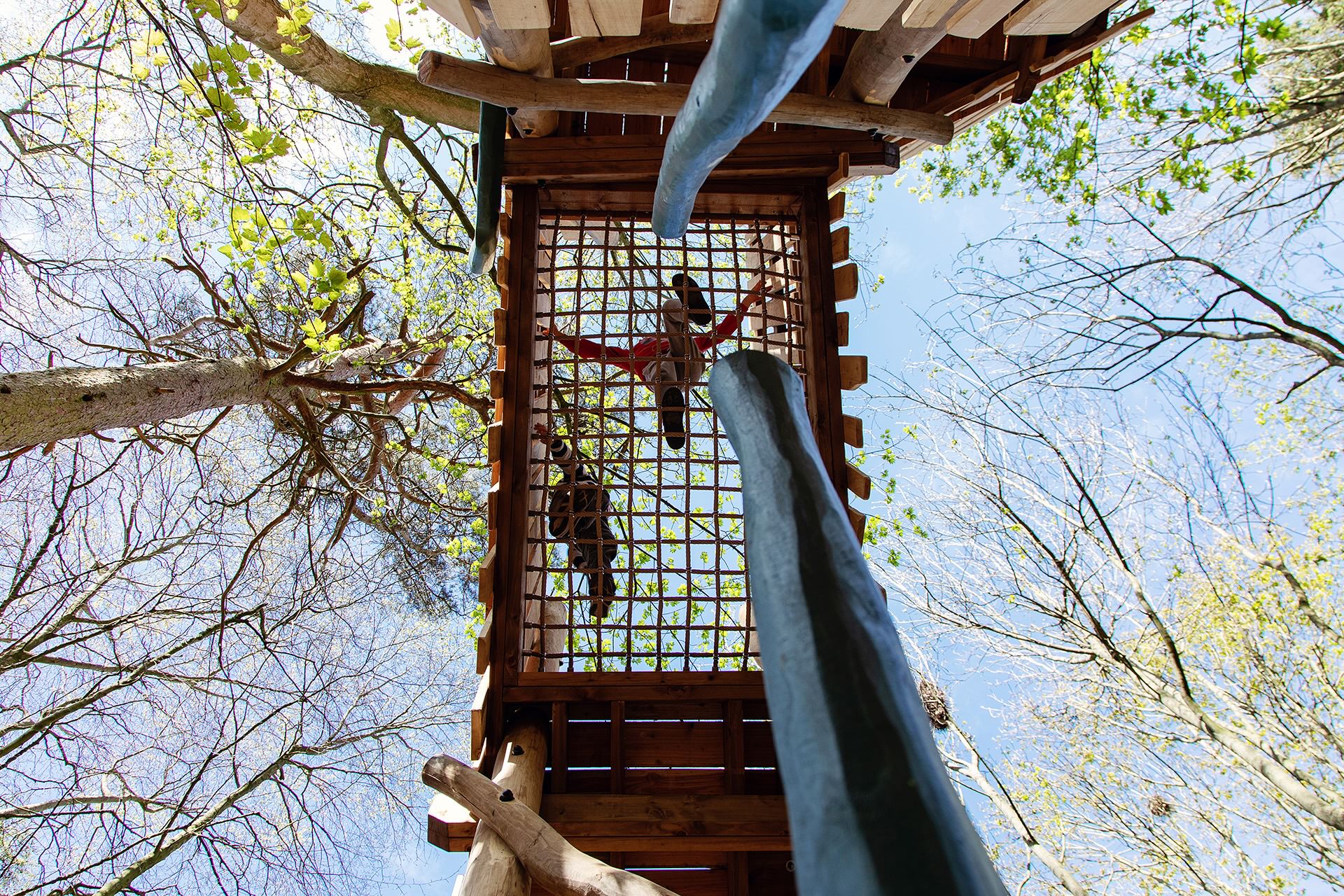
Roald Dahl understood this better than almost anyone. In The BFG and Matilda, children navigate worlds that are unpredictable, sometimes even perilous - but never dull.
And in Where the Wild Things Are, Max doesn’t avoid the wild - he immerses himself and becomes part of it.
Great play spaces reflect that same spirit:
- Height, challenge, and elements of uncertainty.
- Multiple routes around the play to allow children to shape the play themselves
- Opportunities to test limits and build resilience
Because confidence doesn’t come from being protected from risk or from play that is too structured, it comes from learning how to manage it.
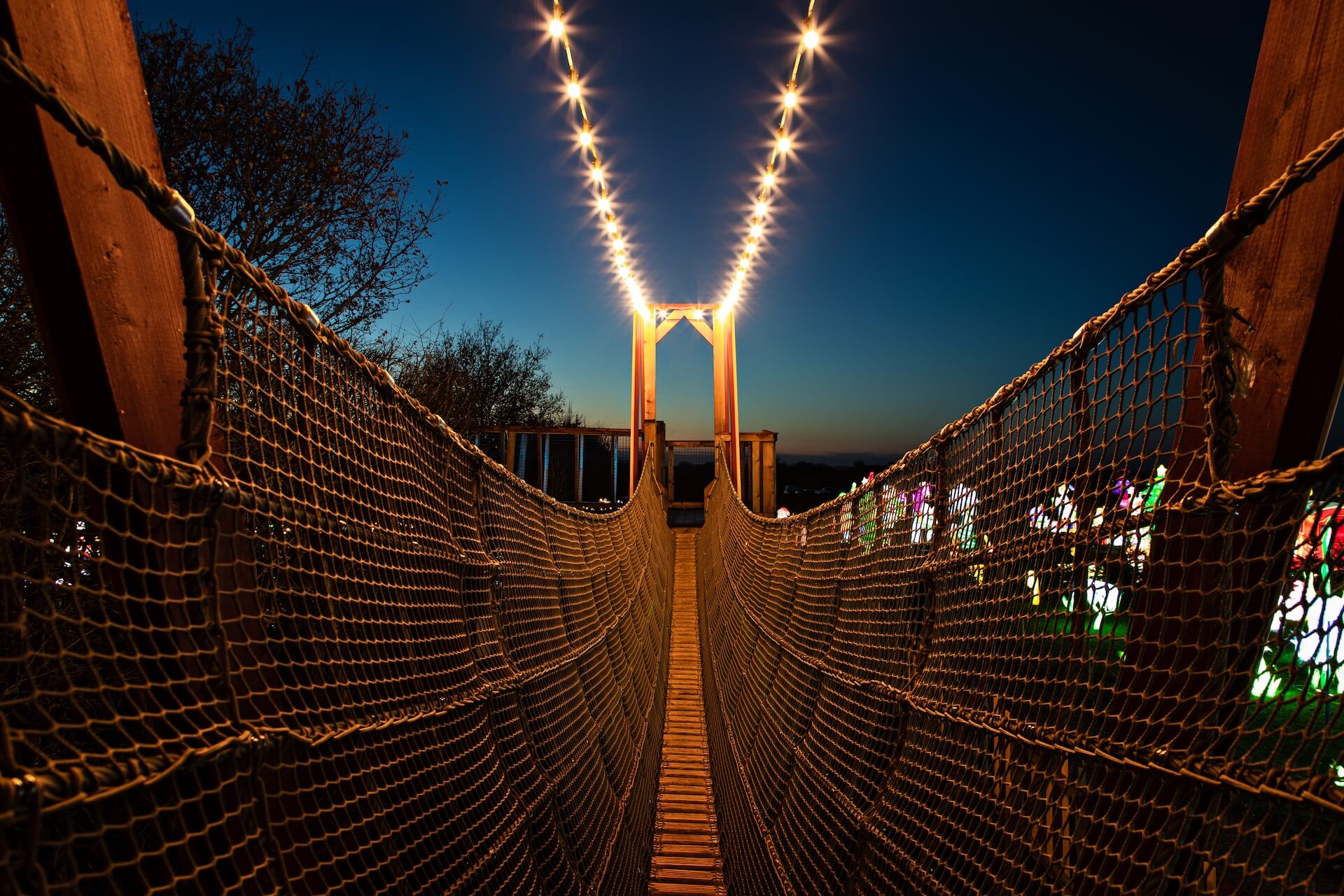
In Winnie-the-Pooh, the forest is a friend. In The Little Prince, the everyday landscape becomes a place of profound meaning.
“What is essential is invisible to the eye.”
That line could just as easily apply to play.
Natural unstructured environments don’t prescribe behavior. They invite imaginative play. A stick becomes a wand, a conker can become a rare prize and the Little Prince's rose is a symbol of love and security.
But perhaps more importantly, nature slows things down. It creates space for children to explore together, to wonder, to imagine.
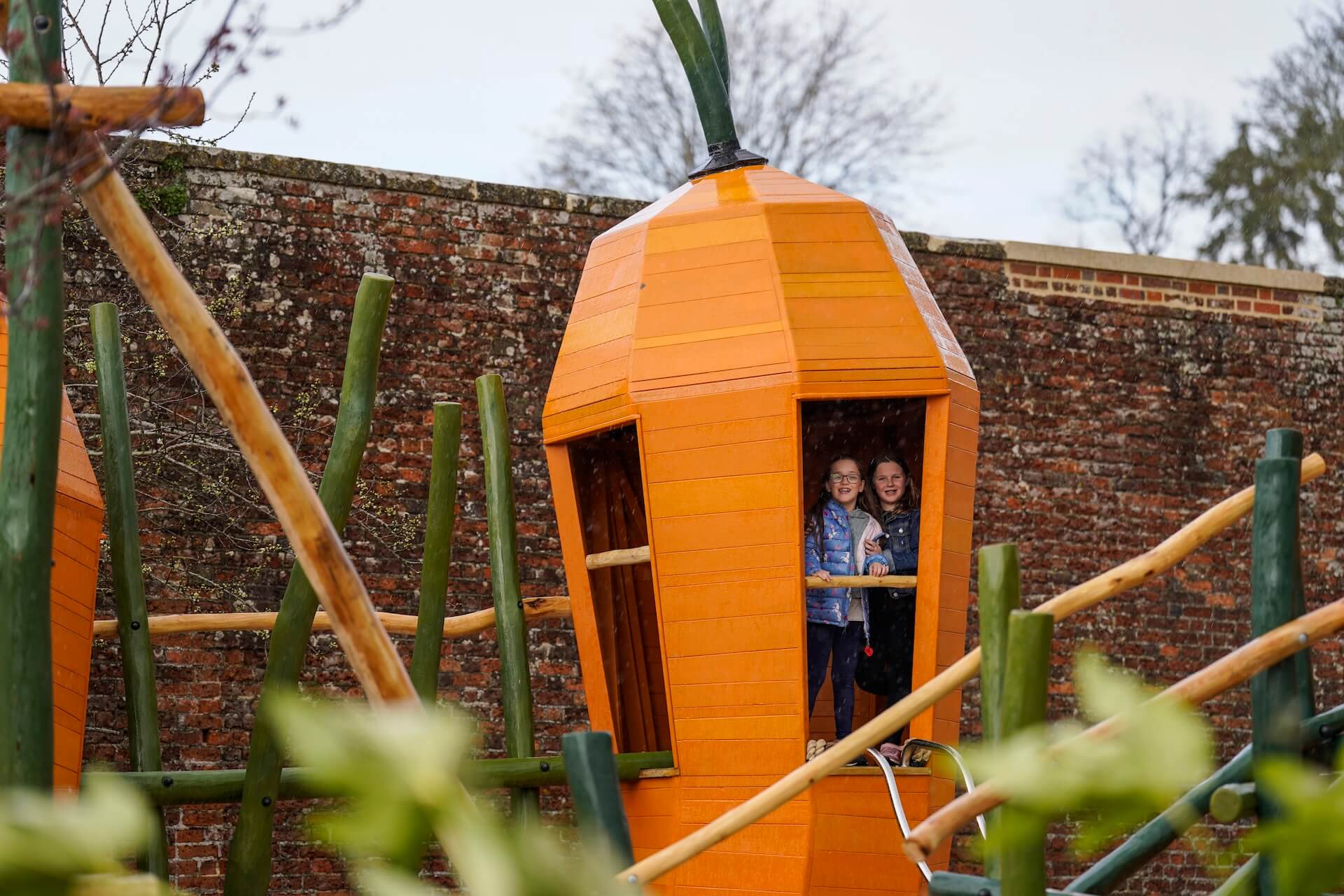
Think of James' giant peach. It's a single, unforgettable place that becomes an entire world.
Children’s stories are full of these anchors. Whether they are dens, castles, hideouts or in the case of the least 'childreny' of children's books, Lord of the Flies, it's islands.
In play design, these become feature towers, tree top platforms, or central hubs at the heart of the play space to gather together as a family.
Structures suggest a story without ever dictating it and encourage children to return and make their own stories, over and over again.
The key is restraint. Don't over complicate the play or dictate the routes too heavily. The best spaces don’t tell children what or how to play - they give them just enough to begin.
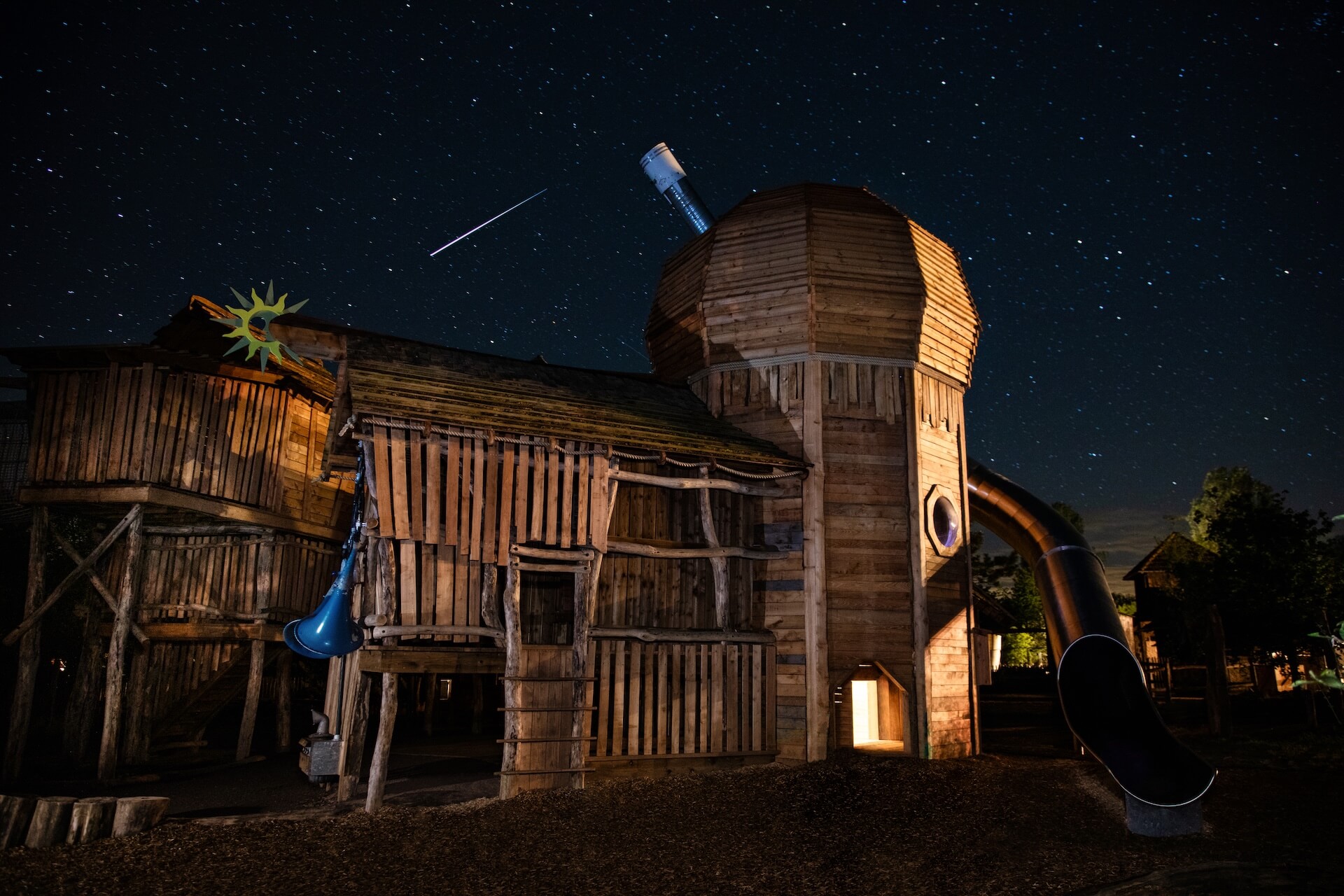
In The Hobbit, from the warm dark home of a Hobbit hole, to the mountains of Erebor, the story unfolds step by step, decision by decision.
Play should feel the same.
Rather than a single destination, great play spaces offer:
- Routes that unfold gradually
- Changes in level, texture, and challenge
- Moments of pause, viewpoint, and choice
It’s not just about what children do - it’s about where they go and how they get there.
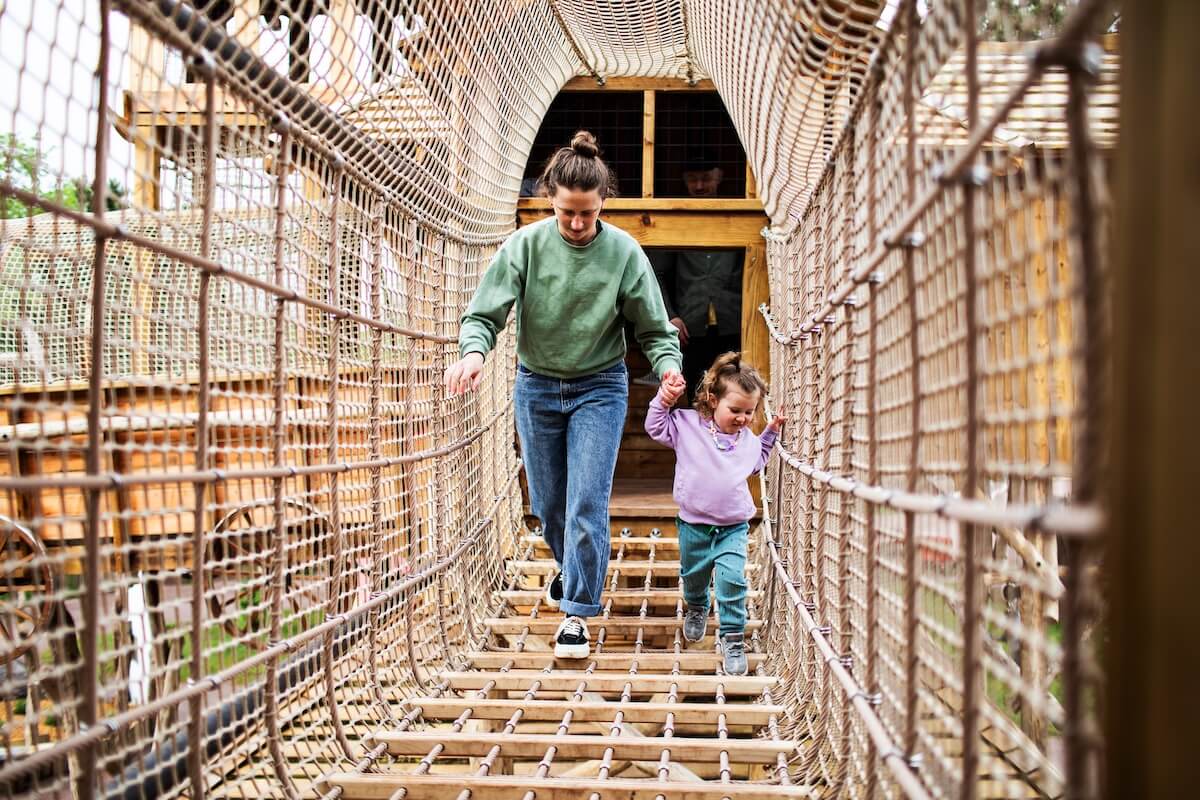
From Matilda outsmarting the adults to the friendships built around the Hundred Acre Wood, stories we love are very rarely solitary.
Children use play to explore relationships, roles, and identity.
The design of the play can support this too, by creating
- Spaces for collaboration and interactive play
- Smaller, quieter areas for intimate storytelling
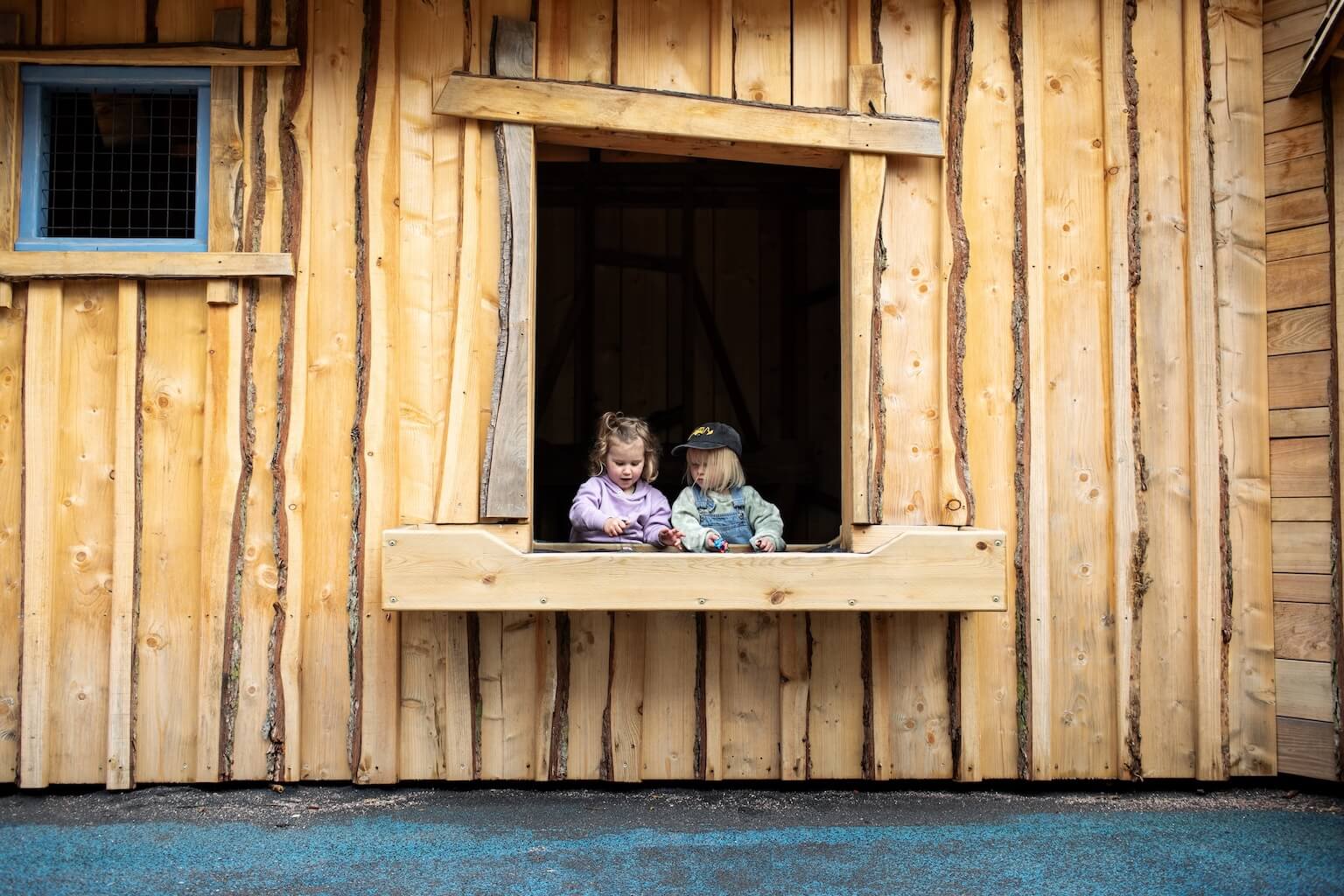
- Elements that encourage role-play and imagination such as shops, stages and dens
These are the places where confidence grows through social interaction.
Increasingly, we are seeing guests visit attractions just once, with very few opting to revisit, which is very bad for long-term business.
However, Roald Dahl’s worlds are full of surprises, with unexpected twists, hidden details and moments of delight. They can be different each time you visit. Just think of all of the wonders unfolding around every turn in Willy Wonka's Chocolate factory.
The same should be true of play, whether it’s
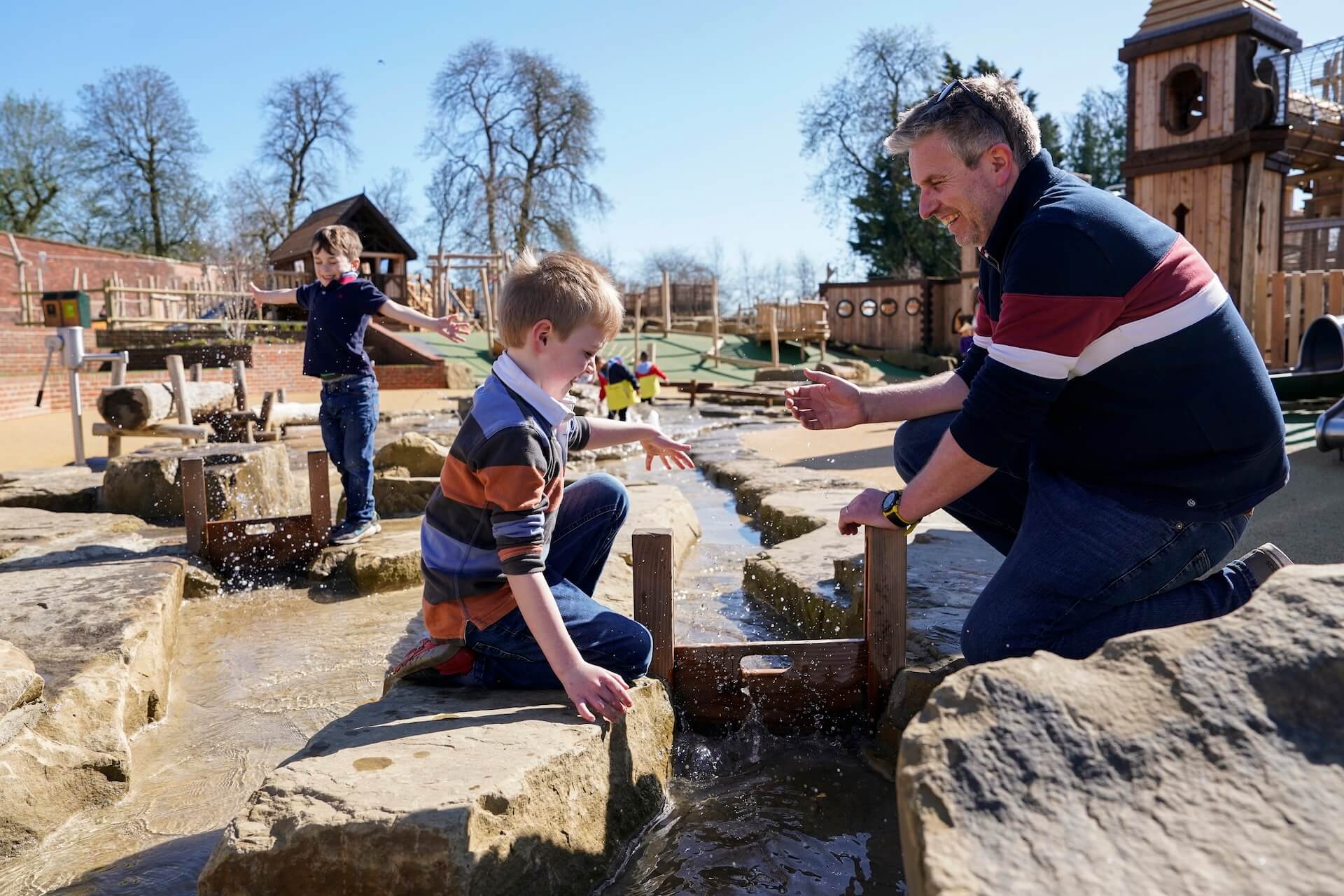
- Water that can be shaped to change the flow - who doesn't love to build a dam?
- Spaces that can be tweaked to reveal something new on every visit
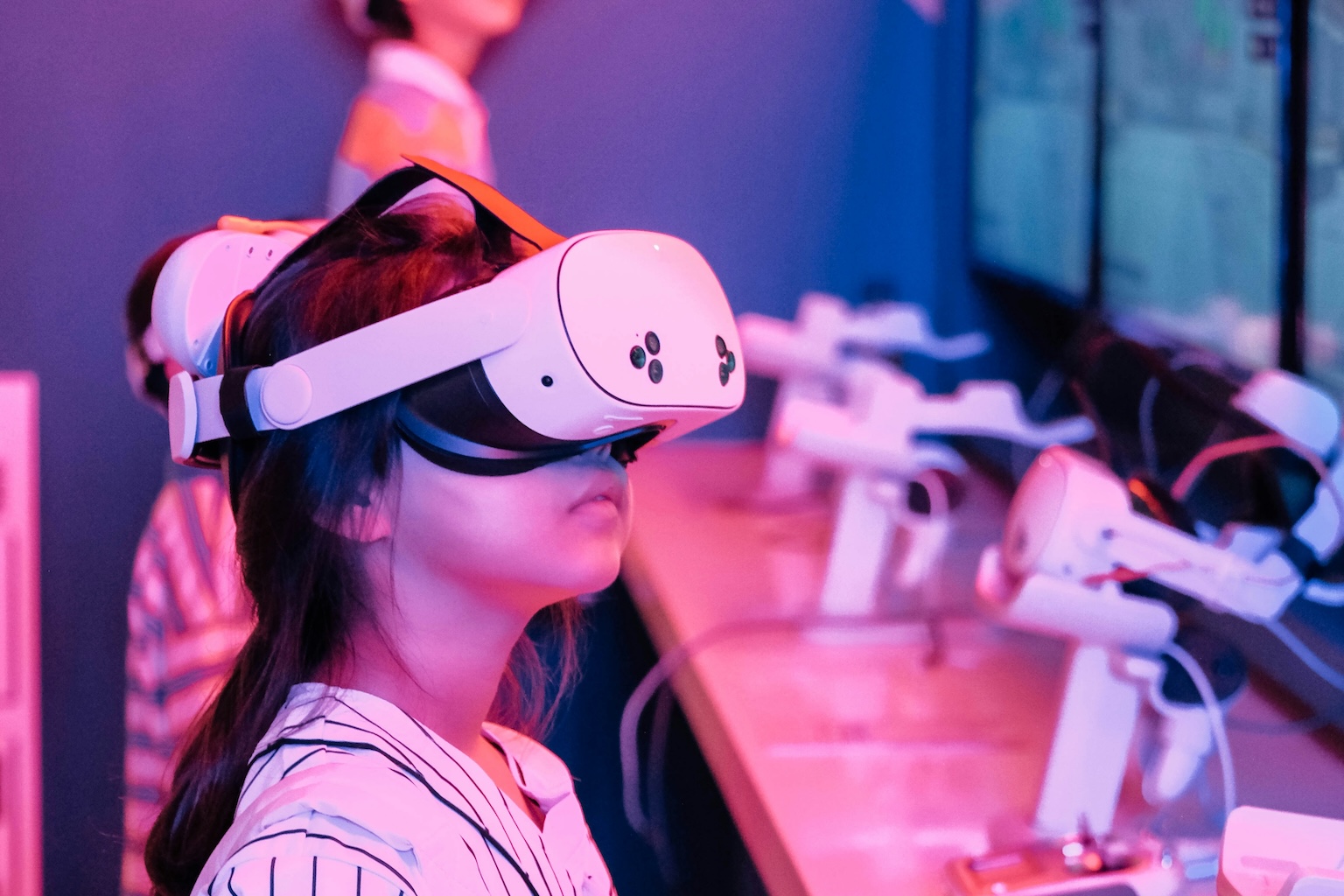
- A maze that is reprogrammable to continue to befuddle and amaze
- Trails with clues and hints to negotiate your way through differently every time
The goal is simple: keep children coming back.

If there’s one thing children’s literature teaches us, it’s this.
Play isn’t just an activity to occupy kids. It's critical for their personal, physical and social development.
Children aren’t looking for perfectly designed spaces. Done is always better than perfect. They are however looking for places where something might happen. Where they can test themselves, lose themselves, and find themselves again - without ever really being lost or alone.
Places that feel, in some small way, like stepping into their own story, where the ending isn't clear or yet decided. The best play is where stories are discovered or created by working with others to imagine their own beginning, middle and end.