worldwide


June 15, 2026
worldwide
There's a conversation happening across the visitor attraction industry that doesn't get nearly enough airtime. When we talk about making our play spaces "accessible," many of us quietly pat ourselves on the back for installing a ramp or widening a gate. Job done, box ticked. But from the research we conducted for presentation to NAFDMA members, most of us have been conflating two very different, and equally important, ideas.
And, until we understand the distinction, our industry will keep creating attractions that technically accommodate children with disabilities without ever truly welcoming them.
Accessibility is about physical reach. It's the infrastructure that allows a child using a wheelchair, a walking frame, or any mobility aid to move through a space: to get from A to B, and from B to C. A ramp that takes a wheelchair user to the top of a play structure is an example of accessible design. Wide circulation routes, multiple entry points, firm safety surfacing, and passing spaces on elevated walkways all fall into this category.
Accessibility is necessary. Without it, some children simply cannot enter your space at all. That's a failure before play has even begun.
But here's the problem: accessible design, on its own, is passive. As our research with SEN groups revealed, "ramps are dull." A child who can physically reach a space hasn't automatically been given something meaningful to do when they get there. They've been given access. That's not the same as belonging.
Inclusive play goes a step further, and it's a much more interesting design challenge. Inclusive play means that once every child is in the space, they can all participate in the same activity, alongside one another, on equal terms.
Think about a traditional rope net climb. A wheelchair user might be able to reach the base of it via a ramp, but they can't join in. That's accessible but not inclusive.
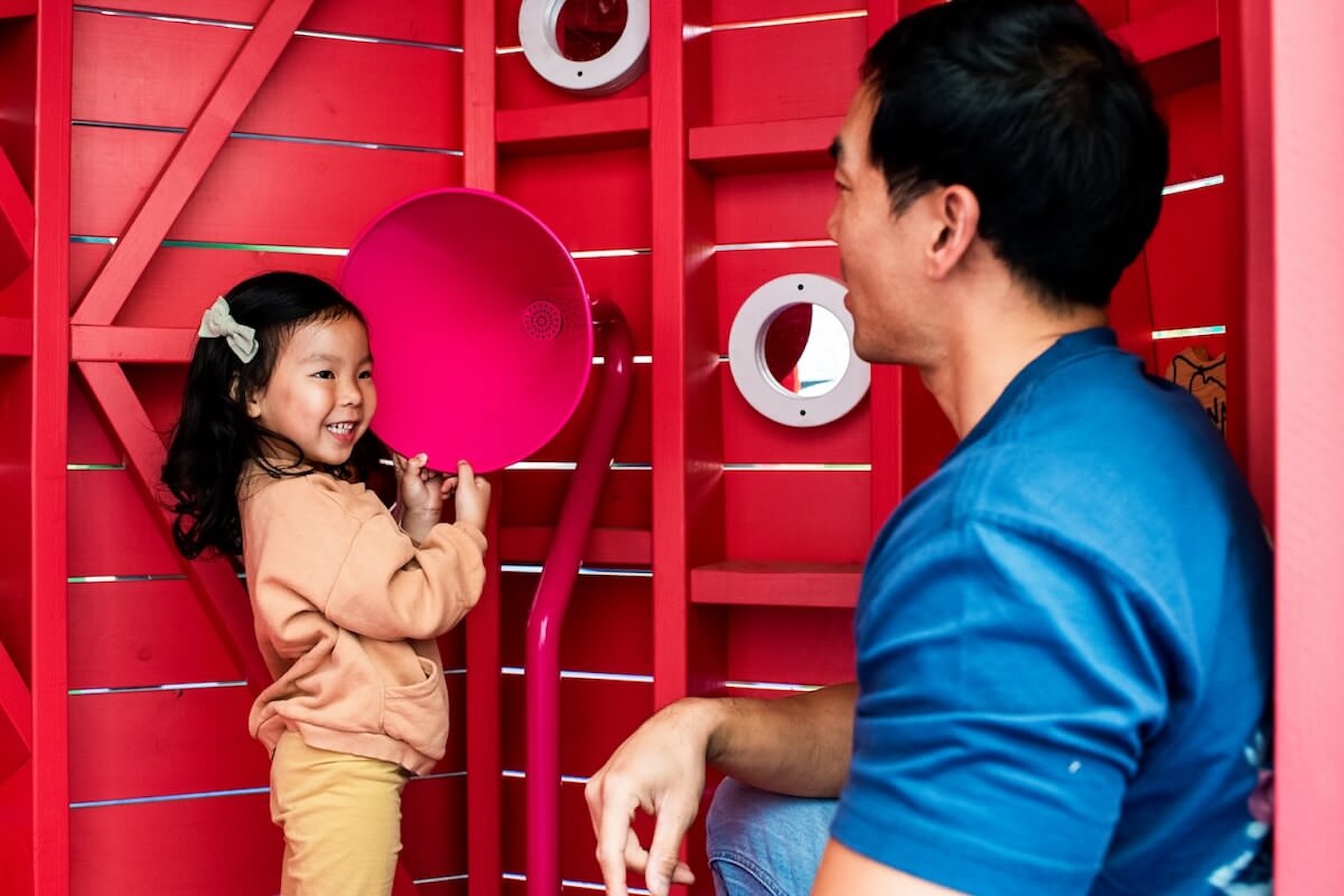
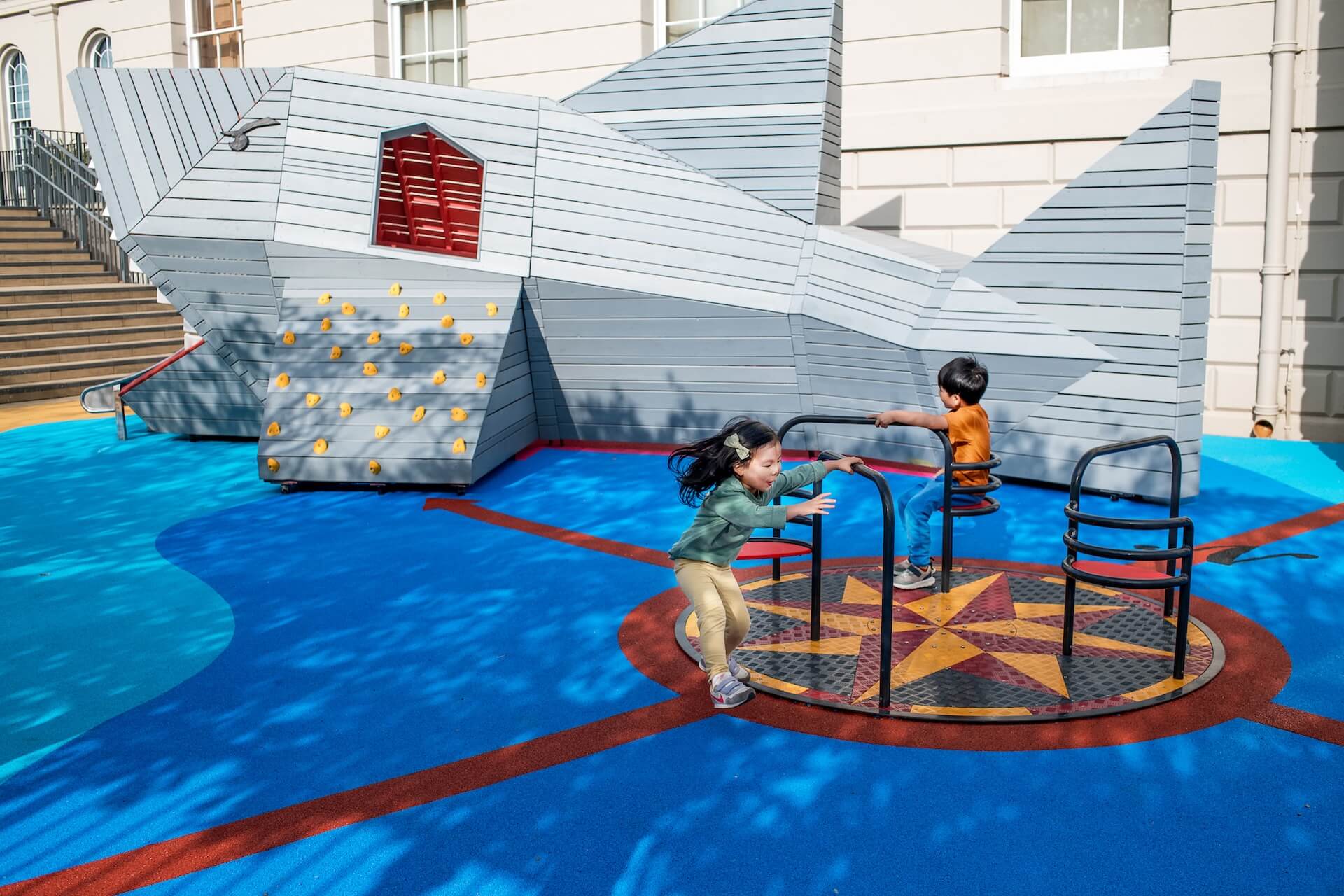
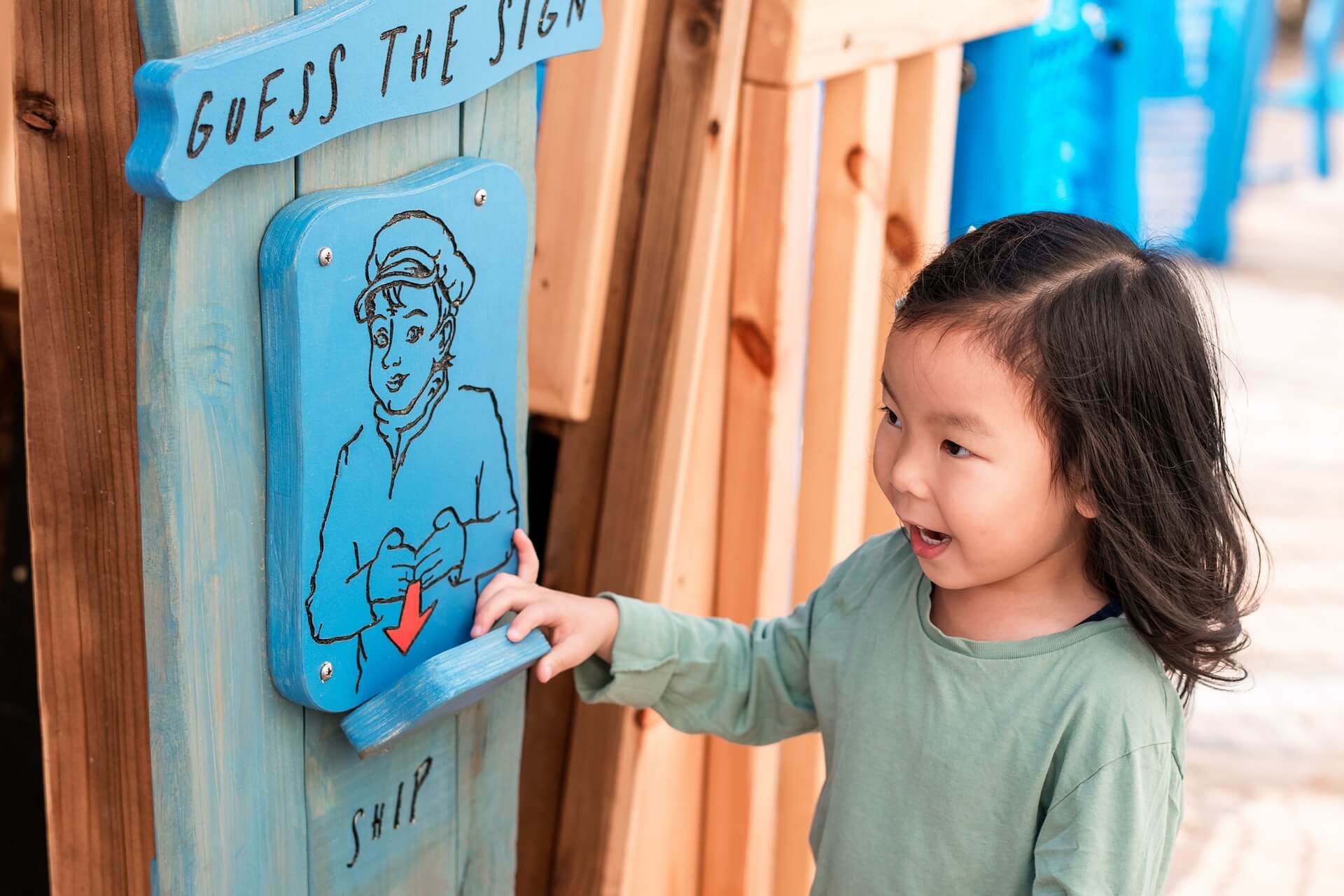
Now think about a wheelchair-accessible roundabout where a child using a wheelchair spins alongside their friends who are standing. Or a talking tube on a ramp that gives the child traveling up it something to do, something that connects them to the child already at the top. That's inclusive.
The distinction is social. Inclusive play is about shared experience. It's the difference between a child watching others play and a child playing 'with' others.
It's understandable why we default to accessible thinking. It's concrete, it's measurable, and it satisfies compliance requirements. Ramps have dimensions. Surfaces have ratings. Accessible design can be audited.
Inclusive design is harder. It requires us to think about what the play 'experience' actually is, not just whether a child can physically reach it. It asks us to design activities that work across a wide range of abilities, ages, and needs simultaneously. It challenges us to stop treating children with disabilities as an afterthought to be accommodated and start treating them as central to the design brief.
Inclusive and accessible are not the same thing, and the most thoughtful play spaces address both.
The goal is a space where children of different ages and abilities can play together, not next to each other, but genuinely 'together'.

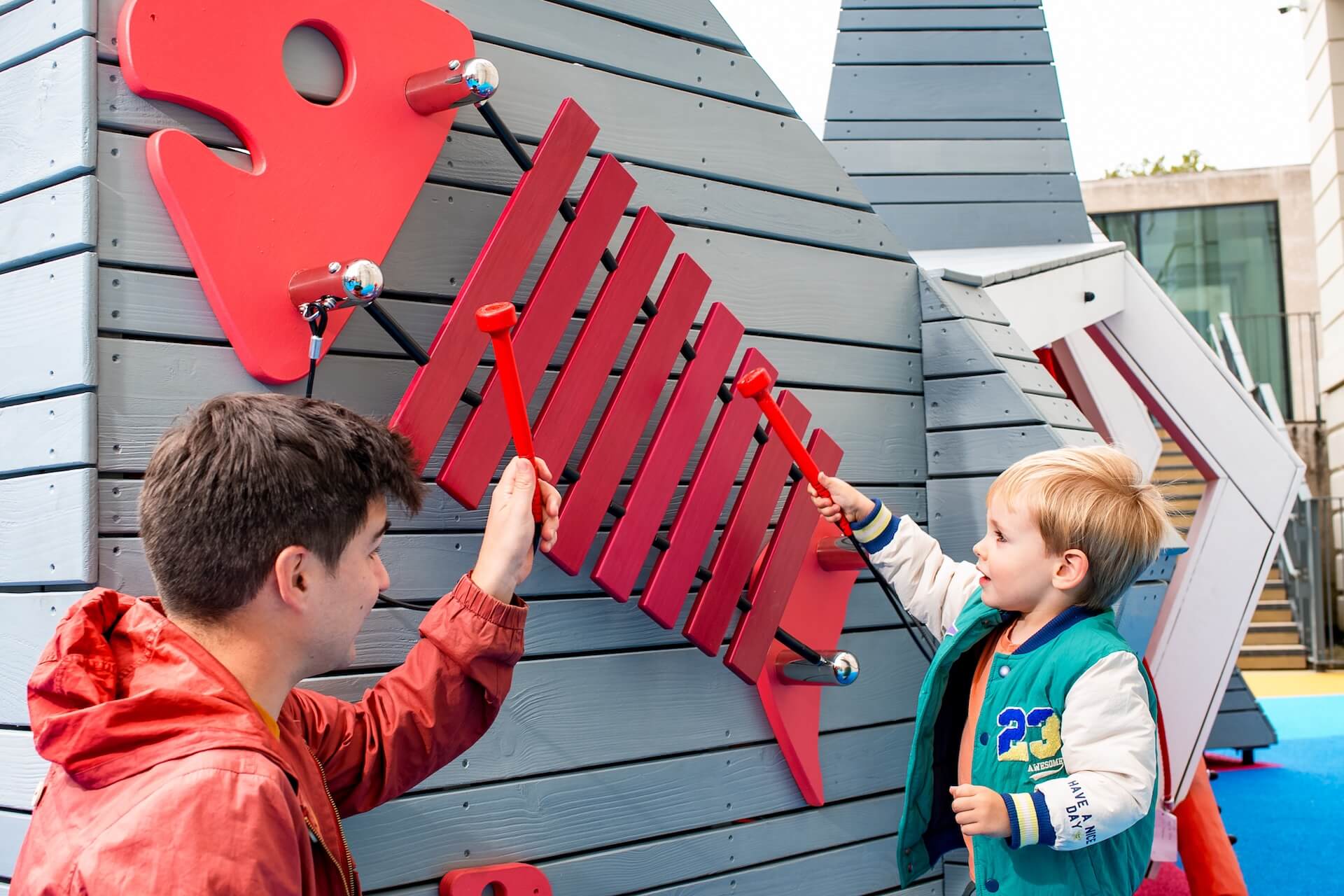
The encouraging news is that many of the best inclusive play elements are also the most engaging for all children. Sensory play, for example: outdoor musical instruments, tactile walls, echo tunnels, herb gardens. These respond to the needs of neurodiverse children and children with sensory impairments while delighting every visitor who passes through.
Similarly, ground-level trampolines, wheelchair-accessible roundabouts, and interactive panels positioned at accessible heights don't just serve children with mobility needs. They create play opportunities that draw in siblings, parents, and children of all abilities into shared moments.
The principle that we advocate is that truly accessible ramps shouldn't just be functional transit routes. They should contain play elements along the way: puzzles, talking tubes, textured surfaces, and visual interest. The journey becomes part of the play, not just a means to reach the place where others are playing. This small shift in thinking transforms a compliance feature into a genuinely joyful experience.

It's worth being clear: inclusive play design is the right thing to do. But it's also good business.
Families that include a child with a disability don't visit alone. They bring siblings, grandparents, and friends. When an attraction makes every member of that group feel genuinely included, not just tolerated, those families become your most loyal advocates. They return. They recommend. They become season pass holders.
CAP.CO's research consistently shows that play environments designed with inclusion at their heart drive longer dwell times, stronger repeat visitation, and higher visitor satisfaction across the board. Inclusive play doesn't narrow your audience. It widens it.
Next time you review a play design proposal, try asking two separate questions rather than one.
First: can every child get to the play? That's your accessibility check: routes, surfaces, entry points, rest spaces.
Second: once they're there, can every child join in? That's your inclusivity check: shared activities, co-play opportunities, elements that work regardless of ability.
A space that answers yes to both questions is something genuinely worth building. A space that only answers the first one has done the minimum. And the children who deserve better than the minimum are exactly the ones who've spent their lives being given it.
*Inspired by research and insights from CAP.CO's presentation "Twelve Steps to More Inclusive Play," delivered at NAFDMA 2026.*